 Save
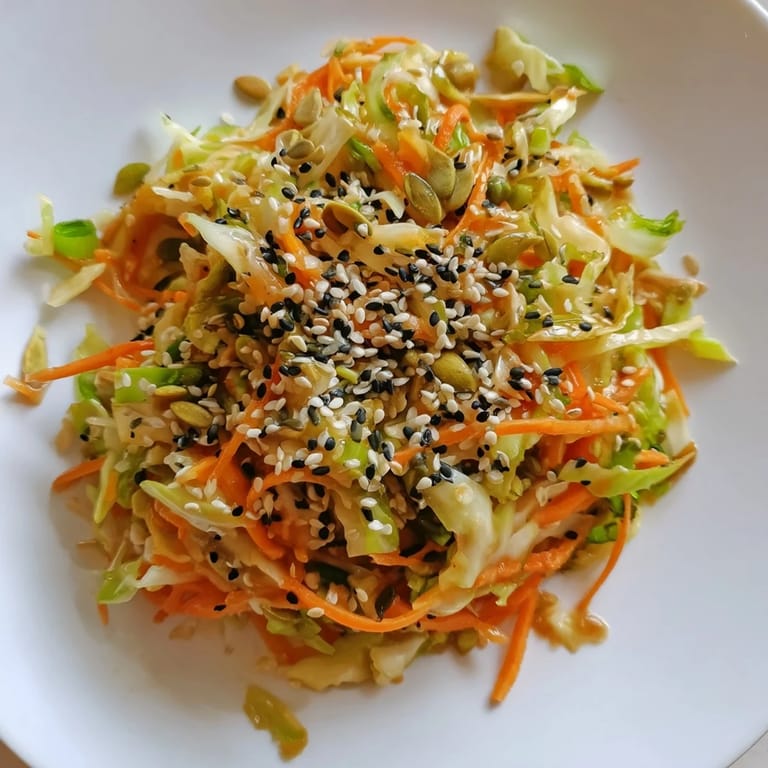
Save I discovered the magic of cabbage cores entirely by accident one evening when I was about to toss them into the compost. My neighbor had just mentioned how crispy and sweet they were when shredded raw, and I was skeptical until I tried it myself. That first bite of the tender, almost delicate core was a revelation—it has none of the bitterness of outer leaves, just pure crunch and natural sweetness. Now I plan my cabbage shopping around those cores, and this slaw has become my go-to answer whenever someone asks for something quick, nourishing, and genuinely crave-worthy.
I made this for a potluck last summer where everyone else brought hot casseroles and heavy pasta dishes, and I'll never forget how quickly that bowl emptied. Someone came back for thirds and asked if the cores were some kind of specialty ingredient, and I loved explaining that they were the part most people throw away. It became the conversation starter of the night, which felt like a small victory for something so simple.
Ingredients
- Cabbage cores, finely shredded: The whole point of this salad—they're sweeter and more tender than outer leaves, almost delicate when raw, and packed with fiber that actually tastes good.
- Green cabbage leaves, finely shredded: These add color and a gentle crunch, balancing the sweetness of the cores without the tough bitterness you sometimes get from raw cabbage.
- Carrot, julienned: The bright color and subtle sweetness make it both pretty and functional, adding a different texture that keeps each bite interesting.
- Green onions, thinly sliced: The sharp bite of green onions cuts through the richness of the sesame oil and keeps the whole dish from feeling heavy.
- Toasted sesame oil: Use real toasted sesame oil, not the pale refined stuff—the nuttiness is what makes people go back for more bites.
- Rice vinegar: It's gentler and more floral than white vinegar, which matters when your base ingredients are this delicate.
- Soy sauce or tamari: The umami anchor that ties everything together; tamari keeps it gluten-free if that matters to you.
- Maple syrup or honey: Just a touch to balance the salty and acidic elements and highlight the natural sweetness of the vegetables.
- Fresh ginger, grated: Adds a subtle warmth and brightness that sesame oil loves; don't skip it or use powdered instead.
- Garlic, minced: A single clove is enough—you want a whisper of garlic, not a shout.
- Toasted sesame seeds: Buy them already toasted if you can; they're the crown jewel here and their nutty flavor is what people remember.
- Pumpkin seeds and sunflower seeds, lightly toasted: Together they add texture and keep the salad interesting, plus they make it feel more substantial without making it heavy.
Tired of Takeout? 🥡
Get 10 meals you can make faster than delivery arrives. Seriously.
One email. No spam. Unsubscribe anytime.
Instructions
- Prep your vegetables:
- Cut your cabbage in half and carve out the core carefully with a sharp knife—it should come away as one solid piece. Slice it thin, almost translucent if you can, then add the green leaves and carrot and onions to your bowl. The thinner you slice everything, the more delicate and elegant the finished dish will feel.
- Make the dressing:
- Whisk sesame oil, rice vinegar, soy sauce, maple syrup, ginger, and garlic in a small bowl until it looks emulsified and smells absolutely incredible. This is where you can taste and adjust—if it's too salty, add a splash more vinegar; too sharp, a touch more syrup.
- Bring it together:
- Pour the dressing over the vegetables and toss with your hands or two spoons until everything is coated in that glossy, fragrant sauce. You'll hear the crunch as you toss, and that sound means you've done it right.
- Toast and top:
- Sprinkle your toasted seeds over the top and toss gently so they get distributed without crushing into dust. If you want some seeds to stay on top for prettiness, hold back a small handful to scatter over right before serving.
- Let it rest:
- Ten minutes in the fridge lets the flavors marry and the cabbage to soften just slightly without becoming limp. This is when you pour yourself something cold to drink and congratulate yourself on how easy that was.
 Save
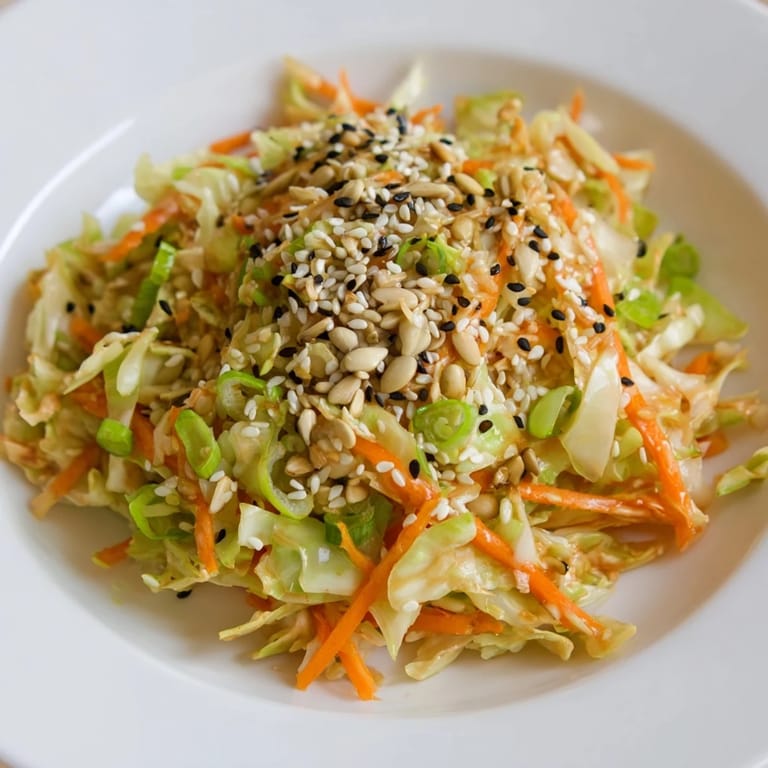
Save There's something grounding about a salad that tastes this good with zero cooking involved, made from parts of vegetables that usually end up in the trash. It reminds me that the best cooking is often about attention rather than effort, and knowing what to do with every part of what you buy.
Why Cabbage Cores Are a Secret
Most people only use the outer leaves of cabbage and don't realize the core is actually the best part when served raw. It's sweeter, more delicate, and less sulfurous than the leaves—kind of like how the heart of a head of lettuce is the prize. Once you start using them, you'll find yourself choosing cabbages specifically to use the cores, and suddenly that ingredient becomes special instead of waste.
Dressing Flexibility and Flavor Balance
The beauty of this dressing is that it's forgiving and flexible, which means you can adjust it to your taste without ruining anything. If you like more heat, stir in some chili oil or fresh chili slices; if you want brightness, add cilantro or mint right before serving. The sesame oil and vinegar are the anchors, and everything else can shift depending on what's in your pantry and what you're in the mood for.
Serving and Storage Ideas
This slaw is best served within a few hours of making it, when the vegetables are still crispy and the seeds haven't had time to soften. You can make it up to a day ahead and keep it in the fridge, but add the seeds just before serving if you want them to stay crunchy. It's perfect alongside grilled fish or chicken, nestled into grain bowls, or eaten straight from the bowl as a light lunch with a soft boiled egg on top.
- For meal prep, keep the dressing separate and dress only what you'll eat immediately, storing the rest for up to three days.
- If it wilts slightly in the fridge, a quick toss and a splash more rice vinegar will revive it almost completely.
- Double the recipe easily; it scales up beautifully and tastes even better when made in larger batches.
 Save
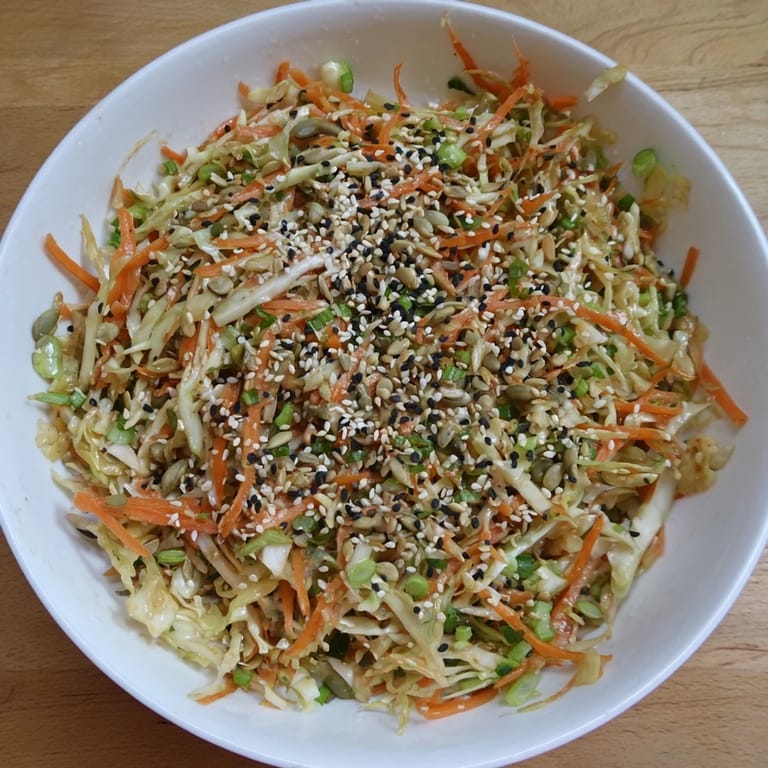
Save This slaw has taught me that the smallest ingredients—the parts we usually overlook—often make the best dishes. It's become proof that simplicity, when done with intention, tastes better than complexity.
Recipe Q&A Section
- → What type of cabbage works best for this slaw?
Using cabbage cores combined with green cabbage leaves provides a mix of tender and crunchy textures, enhancing the overall bite.
- → Can I substitute the soy sauce?
Yes, tamari is a gluten-free alternative, and coconut aminos can be used for soy-free options.
- → How do the toasted seeds contribute to the dish?
Toasted sesame, pumpkin, and sunflower seeds add a rich nutty flavor and additional crunch that complements the crisp vegetables.
- → Is it necessary to let the slaw rest before serving?
Allowing the slaw to sit for 10 minutes helps the flavors meld, resulting in a more harmonious taste experience.
- → What are good additions to customize the flavor?
Adding sliced red chili or chili oil boosts heat, while fresh cilantro or mint adds a refreshing herbal note.