 Save
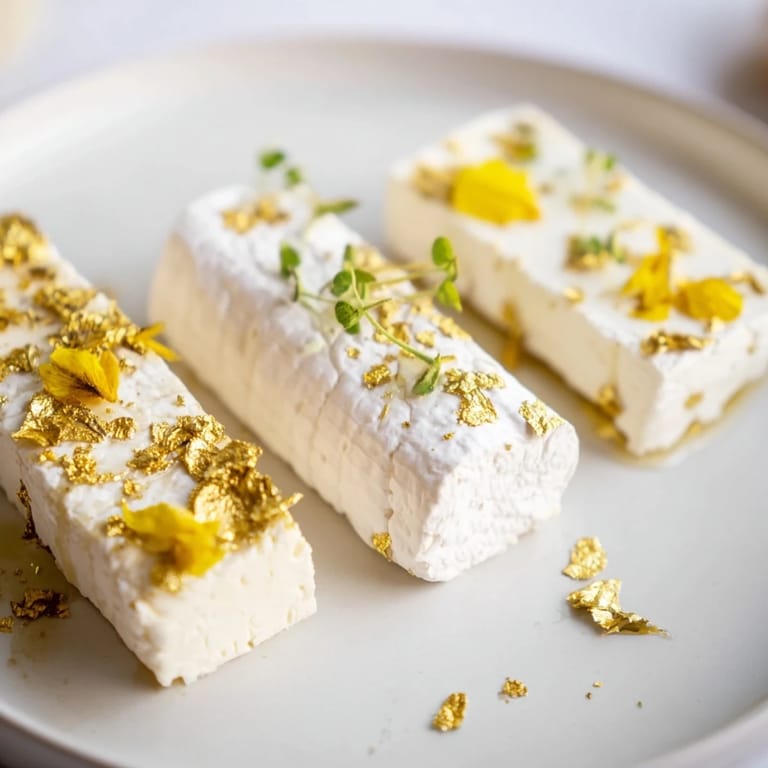
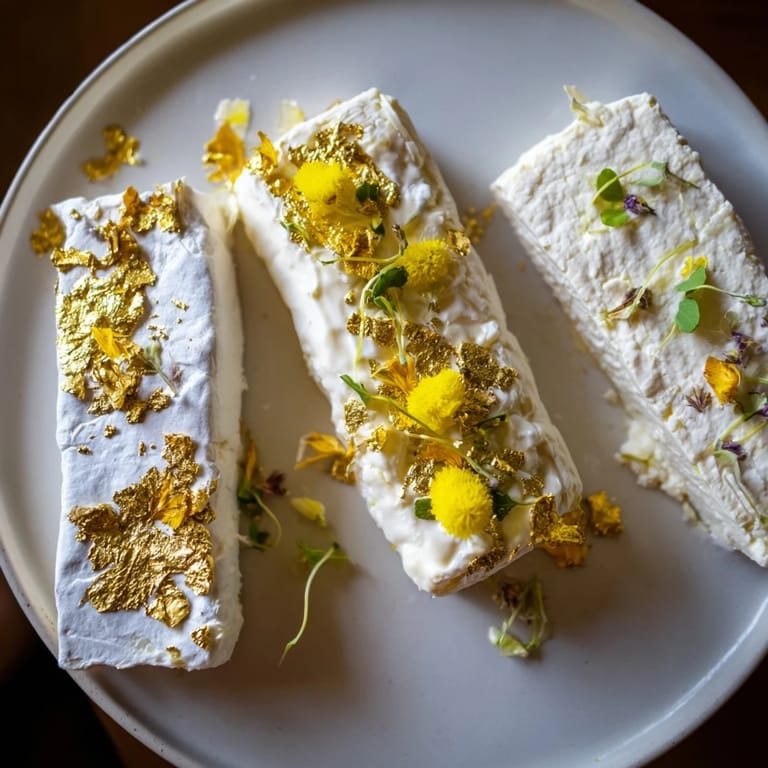
Save I discovered that the most memorable meals aren't always the ones that take hours in the kitchen. One evening, I was invited to a dinner where the host presented a cheese board adorned with gold leaf, and it completely changed how I thought about appetizers. The way those delicate petals caught the light, the creamy textures contrasting with crisp crackers—it felt less like food and more like edible art. I went home inspired to create something equally stunning, but simpler. This Gilded Lily was born from that inspiration: elegant enough to impress, but forgiving enough for anyone to execute flawlessly.
I remember the first time I served this to friends—watching their faces light up when they saw the gold gleaming against the soft white cheeses was worth more than any complicated recipe. One friend actually gasped, which I didn't expect, and suddenly everyone was taking photos. That's when I realized simplicity done beautifully is its own kind of showstopper.
Ingredients
- Goat cheese log (chèvre), 150 g: The tangy backbone that keeps things interesting; it's sturdy enough to hold the gold without crumbling.
- Triple-cream brie, 150 g: This is where the luxury lives—rich, buttery, and practically melts on your tongue before you even swallow.
- Fresh ricotta, 150 g: A whisper-soft contrast that reminds you that elegance doesn't always mean heavy.
- Feta block-style and drained, 150 g: A touch of salt and bite that keeps the palate awake and engaged.
- Edible gold leaf, 1–2 sheets: Buy from reputable sources and handle with tweezers or a brush—it's delicate and temperamental, but absolutely worth it.
- Yellow edible flower petals, 2 tbsp: Marigold, calendula, or chrysanthemum work beautifully; they add color and an understated elegance that photographs impossibly well.
- Honey, 2 tbsp (optional): A gentle drizzle wakes up the creamy cheeses with a subtle sweetness.
- Fresh microgreens or herbs: The finishing touch that whispers refinement without shouting about it.
- Baguette, thinly sliced: Your vehicle for the cheese; crusty on the outside, tender within.
- Assorted crackers: Choose quality ones—they're not supporting players here, they're part of the experience.
Tired of Takeout? 🥡
Get 10 meals you can make faster than delivery arrives. Seriously.
One email. No spam. Unsubscribe anytime.
Instructions
- Set your stage with intention:
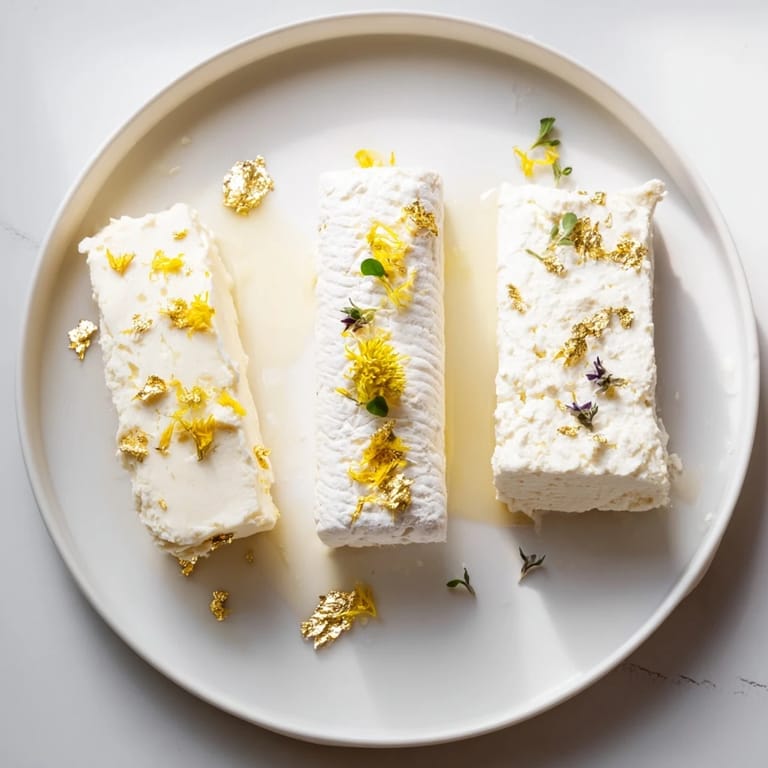
- Choose a platter that feels special—ceramics, marble, or a wooden board all work beautifully. The backdrop matters because you're creating a landscape, not just arranging food. Space each cheese at least three inches apart so they're distinct and the platter doesn't feel crowded.
- Apply the gold with reverence:
- This is where clean, dry tweezers or a fine brush become your best friend. Gold leaf tears easily and clings to moisture, so make sure your cheese surfaces are completely dry. Tear small, irregular pieces and press gently—the imperfection is what makes it look intentional and expensive.
- Scatter petals like you mean it:
- Don't overthink this part; let them fall where they want to fall. Some clustered around the gold, some dancing across the platter between the cheeses. The randomness is what prevents it from looking staged.
- Finish with restraint:
- A light drizzle of honey if you're using it, a few microgreens or herb leaves, and then step back. More is not your friend here.
- Serve at room temperature:
- Take the platter out of the fridge fifteen minutes before serving so the cheeses can breathe and soften into their best selves. Cold cheese is stingy cheese.
 Save
Save What struck me most was that this platter became a conversation starter, a shared moment where people slowed down and noticed what they were eating. That's the real magic—not the gold, but the permission it gives everyone to savor something without guilt.
Choosing Your Cheeses Wisely
The four cheeses work together like a chord in music. The goat cheese brings tang, the brie offers luxury, the ricotta provides delicate creaminess, and the feta adds definition. I've learned that quality matters more than quantity here; buying good cheeses in smaller amounts beats buying mediocre ones in bulk. Let each cheese introduce itself—don't rush the tasting.
The Art of Edible Flowers
The first time I used edible flowers, I bought them from a supermarket thinking they were all the same. I was wrong. Marigolds have a peppery bite, calendula tastes almost citrusy, and chrysanthemums are delicate and slightly sweet. The color matters too; yellow flowers brighten the entire platter visually and create a theme that feels intentional. Test a tiny piece first to make sure you like the flavor before committing to the full garnish.
Pairing and Serving Brilliance
Champagne and crisp Sauvignon Blanc are natural companions—the bubbles cut through the richness and the acidity cleanses the palate between bites. But I've also served this with sparkling rosé and even a dry Riesling, and they've all been winners. The cheese board itself becomes a ritual; people linger longer, talk more, and savor more when the presentation invites them to slow down. Consider adding fresh pears, grapes, or candied nuts for extra layers of texture and interest—but keep the platter balanced, not overwhelming.
- Slice the baguette and arrange it in a separate basket lined with linen so it stays warm and doesn't crowd the platter.
- Set out small cheese knives so guests can help themselves without using the same knife for every cheese.
- Make sure to pull everything out about fifteen minutes before serving so the cheeses warm to room temperature and taste their absolute best.
 Save
Save This platter taught me that elegance doesn't require complexity, only intention. Every time I make it, I'm reminded that feeding people well is sometimes simply about slowing down and choosing beautiful things to share.
Recipe Q&A Section
- → What cheeses are used in the gilded lily platter?
It features goat cheese (chèvre), triple-cream brie, fresh ricotta, and block-style feta for a creamy, varied texture.
- → How is the edible gold leaf applied safely?
Use clean tweezers or a fine brush to gently place small gold leaf sheets onto the cheese surfaces without tearing.
- → Can this platter accommodate dietary restrictions?
Yes, it can be made gluten-free by choosing gluten-free bread or crackers, and vegan by substituting plant-based white cheeses.
- → What are good accompaniments for serving?
Slices of baguette and assorted crackers complement the cheeses and add texture and variety to the presentation.
- → Are the flower petals safe to eat?
Only use flowers labeled as edible and sourced from reputable suppliers to ensure safety and freshness.