 Save
Save Last summer, I was frantically packing for a beach day when my sister asked what we were bringing for lunch, and I realized I'd been so focused on sunscreen and towels that food hadn't crossed my mind. Standing in my kitchen staring at a bunch of basil and some beautiful cherry tomatoes, I thought: why not layer everything into mason jars like I'd seen somewhere online? That first attempt turned out to be such a revelation—no soggy leaves, no dressing pooling at the bottom, just pure freshness that somehow tasted even better shaken from a jar than it would have on a plate.
I brought these jars to my book club once, and watching everyone carefully open theirs and shake them created this oddly bonding moment—suddenly we weren't just eating, we were participating in something small and deliberate together. One friend admitted she'd been intimidated by cooking, but when she saw how simple layering was, something clicked for her about how approachable good food could be.
Ingredients
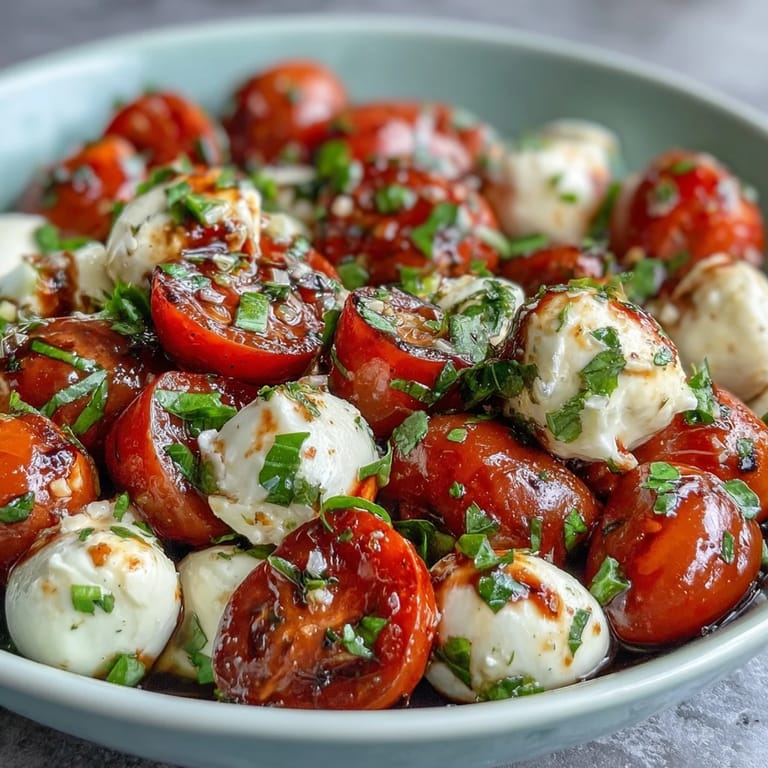
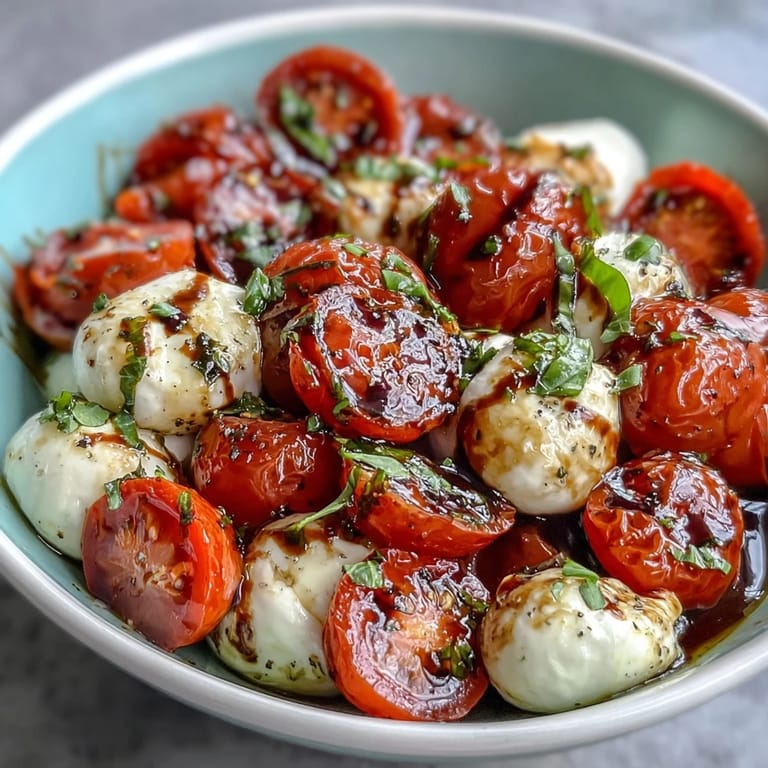
- Cherry tomatoes: Choose ones that feel firm and smell sweet—avoid anything too soft, as they'll release too much liquid and make the bottom layers soggy.
- Fresh mozzarella balls: These tiny pearls (bocconcini or ciliegine) are crucial because they don't need slicing and won't bruise in the jar; if you can only find larger mozzarella, cut it into small pieces.
- Fresh basil leaves: Pick them right before assembling if you can, as basil bruises quickly—whole leaves on top protect the delicate center of the jar and look beautiful.
- Extra-virgin olive oil: This is the backbone of your dressing, so use something you actually love the taste of; cheap oil makes a noticeable difference.
- Balsamic glaze or vinegar: The glaze is thicker and coats better in the jar, while vinegar gives a sharper tang—I prefer the glaze for this method.
- Sea salt and freshly ground black pepper: Pre-ground pepper loses its punch, so grind it fresh right into the dressing for actual flavor.
Tired of Takeout? 🥡
Get 10 meals you can make faster than delivery arrives. Seriously.
One email. No spam. Unsubscribe anytime.
Instructions
- Whisk Your Dressing Base:
- In a small bowl, combine your olive oil, balsamic glaze or vinegar, salt, and pepper, stirring until the salt dissolves slightly and everything looks emulsified. This takes maybe two minutes and sets the entire flavor tone.
- Divide the Dressing:
- Pour the dressing equally into the bottom of four clean, dry mason jars—this is your oil barrier that keeps the tomatoes from getting waterlogged. Use roughly a tablespoon per jar as your guide.
- Layer the Tomatoes:
- Scatter your halved cherry tomatoes directly onto the dressing, cut-side down if you want to be fussy about it (which honestly doesn't matter much, but it looks neat). They'll sit in that oil and marinate slightly while you finish the jar.
- Add Your Mozzarella:
- Place the mozzarella balls on top of the tomato layer, nestling them in gently so they don't roll around. These little pockets of creaminess will be the pleasant surprise people discover as they eat.
- Crown with Basil:
- Arrange whole or torn basil leaves loosely on top—they're your lid and your garnish at once. Don't pack them down; let them stay light and airy.
- Seal and Chill:
- Screw the lids on tight and refrigerate until you're ready to go. The flavors continue deepening as everything sits together, and the jar stays fresh for a full day if you need it.
- Shake and Serve:
- When hunger strikes, give the jar a gentle shake to distribute that garlicky-herbal oil throughout, or pour everything onto a plate and toss once more if you want that perfect Caprese presentation.
 Save
Save There was a moment during a camping trip when my nephew, who usually refuses salad entirely, asked for a second jar of this because he could eat it with his hands while walking around the campfire. Seeing him excited about vegetables felt like a small parenting victory, even though I'm just the aunt.
Why Jars Change Everything
There's something about eating from a jar that makes food feel intentional—you're not just grabbing lettuce from a bowl, you're opening something you carefully prepared. It forces you to slow down slightly, to shake or toss before eating, which somehow makes the flavors register more deliberately. I've noticed people eat slower from jars, taste more, and generally seem more present while eating, which might just be the best part of this whole setup.
Variations That Still Work
Once you understand the principle—dressing at the bottom, sturdy vegetables next, delicate stuff on top—you can riff endlessly without losing the integrity of the jar. I've swapped roasted red peppers for some of the tomatoes, added white beans for protein, tried arugula instead of basil, and even layered in thin slices of fresh peach once when I had them. The only rule is respecting the order: oily things down low, solid things in the middle, tender things on top.
Storage and Make-Ahead Magic
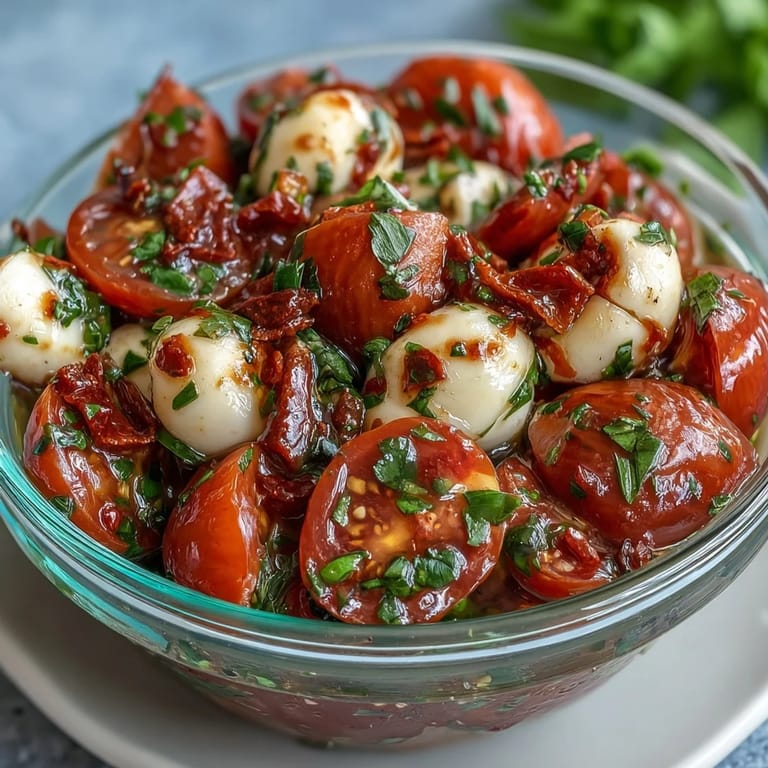
These jars actually improve after a few hours in the fridge because the flavors meld and the oil gradually infuses everything with richness. I often make them the afternoon before a picnic or workday, and there's real comfort in knowing lunch is already waiting in the fridge looking beautiful and fresh. That said, they're best enjoyed within twenty-four hours—after that the basil starts losing its brightness and the tomatoes become almost too soft.
- If you're prepping for a crowd, assemble jars the morning of your event and they'll stay perfect until evening.
- Don't add the basil until a few hours before serving if you want it to stay particularly vibrant and less oxidized.
- Keep these in the coldest part of your fridge, away from the door, for maximum freshness.
 Save
Save This salad taught me that sometimes the best recipes aren't about complicated techniques or exotic ingredients—they're about respecting what you have and presenting it in a way that makes people genuinely happy to eat it. There's something deeply satisfying about seeing someone discover that fresh, simple food can be exactly what they didn't know they needed.
Recipe Q&A Section
- → What type of mozzarella works best?
Use small fresh mozzarella balls like bocconcini or ciliegine for ideal layering and texture.
- → Can I substitute the cherry tomatoes?
Heirloom or grape tomatoes are great alternatives, adding color and flavor variety.
- → How should I store the layered jars?
Seal tightly and refrigerate; best consumed within 24 hours for freshness.
- → What dressing is used in this salad?
A simple mix of extra-virgin olive oil, balsamic glaze (or vinegar), salt, and pepper.
- → Any tips for serving?
Shake the jar gently to mix dressing before serving or pour onto a plate and toss lightly.
- → Is this salad suitable for special diets?
It is vegetarian and gluten-free, but contains dairy from mozzarella.