 Save
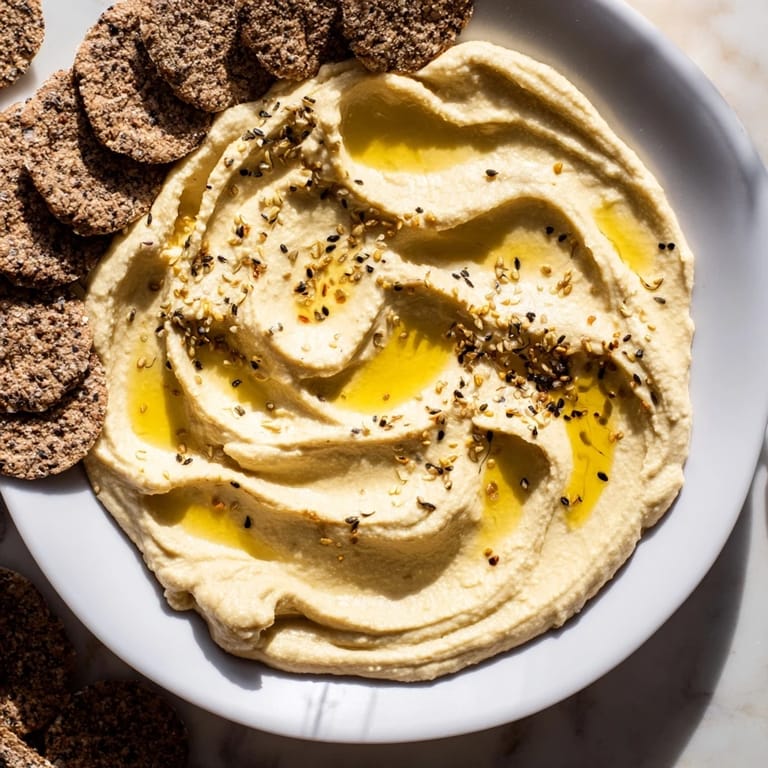
Save I discovered this dish entirely by accident while rearranging my kitchen one afternoon. I'd been staring at a bowl of hummus and a stack of crackers, wondering how to make something feel less ordinary for guests arriving in an hour. Then I noticed the way afternoon light was catching the edge of a textured cracker, and it clicked—layers, dimension, something that looked like it took effort but required almost none. The name came later, watching my friend trace her finger along the hummus ridges and say it looked like the canyons she'd seen in Utah.
The first time I served this was to my neighbor who showed up unannounced with homemade bread. Instead of being caught empty-handed, I pulled out what I had and built these layers right in front of her, narrating each crack placement like I was some kind of culinary architect. She laughed so hard that when she tried a bite, she nearly spit crumbs onto my floor. We ended up sitting on the porch for three hours, demolishing the whole platter and never opening that bread.
Ingredients
- Classic hummus (500 g): The foundation of everything—use the best quality you can find or make your own if you're feeling ambitious; store-bought is honest and delicious either way.
- Smoked paprika (1 tsp): This is what transforms hummus from simple to sophisticated; the smoke lingers in your mouth in the best way.
- Extra-virgin olive oil (1 tbsp): Pour it thoughtfully because it's not just flavor, it's the shine that catches the eye.
- Ground cumin (1/2 tsp): A whisper of earthiness that makes people wonder what they're tasting.
- Cayenne pepper (1/4 tsp, optional): Only add this if you like a gentle heat that builds as you keep eating.
- Beige crackers (200 g): The color matters here—whole wheat, sesame, or water crackers all work beautifully because they evoke that canyon-like palette.
- Toasted sesame seeds (2 tbsp): Toast them yourself if you have time; the aroma alone is worth it.
- Fresh parsley (2 tbsp, chopped): Green against beige is nature's perfect contrast.
- Lemon wedges: Brightness in small, squeeze-able packages.
Tired of Takeout? 🥡
Get 10 meals you can make faster than delivery arrives. Seriously.
One email. No spam. Unsubscribe anytime.
Instructions
- Season your hummus like you mean it:
- Pour the paprika, olive oil, cumin, and cayenne into your hummus bowl and fold everything together slowly, watching the color deepen and shift. You're not just mixing; you're building flavor.
- Create your first canyon layer:
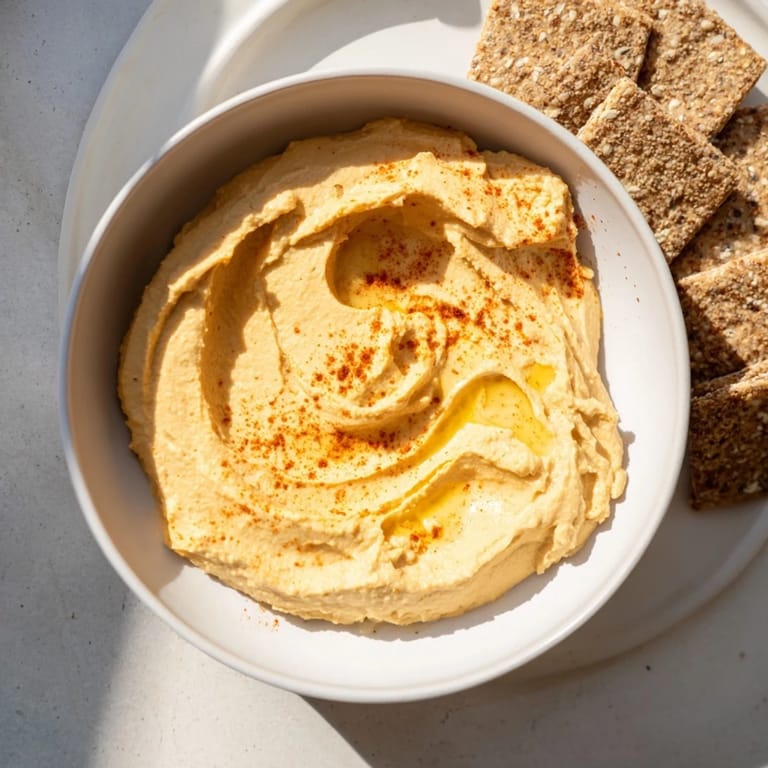
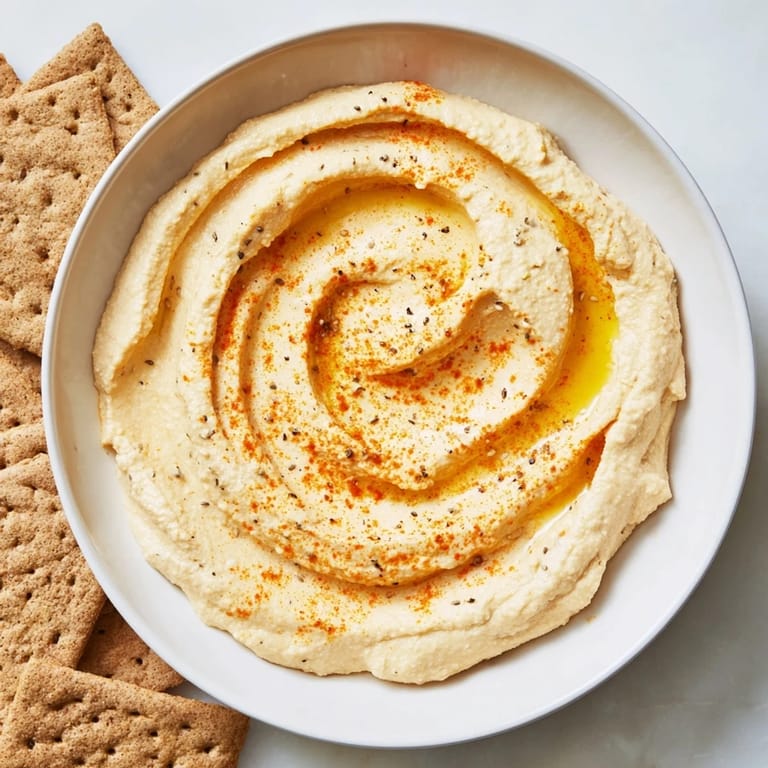
- Spread a generous layer of seasoned hummus across your platter in wavy, intentional swoops—imagine a topographic map made by someone who's never heard of straight lines. Use the edge of your spatula to press down gently, carving little valleys as you go.
- Stand your crackers like sentries:
- Take your first cracker and press it upright into the hummus at an angle, letting it follow the contours you've created. Lean the next one against it, slightly overlapping, building a wall that's both architectural and a little bit haphazard in the most charming way.
- Build in waves:
- Spread another layer of hummus, creating new ridges that don't quite align with the first. This is where it stops looking like you followed a recipe and starts looking like you have a vision.
- Repeat until you've got three to four layers:
- Each layer should feel slightly different from the one below, creating visual depth that makes people lean in for a closer look. The crackers should seem to emerge from the hummus like they're part of the landscape.
- Crown your creation:
- Scatter toasted sesame seeds across the top like they're catching sunlight, then sprinkle parsley for that pop of green. Set lemon wedges nearby like they're waiting to be called into action.
 Save
Save There's a moment right before people eat this when they pause, tilting their head slightly, trying to figure out if what they're looking at is real or some kind of beautiful deception. Then they taste it and understand that sometimes the most impressive things don't require any heat, any complicated technique, or anything but good ingredients arranged with intention.
Why This Works as Theater
Food that looks like art gets eaten like it's precious, which changes everything about how people experience it. I've served identical hummus straight from a bowl before, and it disappeared quietly. Arranged like a canyon, people take photos, they talk about it, they remember it weeks later. The transformation isn't really about the platter or the layers—it's about giving people permission to care about how their food looks, and how that caring makes everything taste better.
The Flavor Combinations That Matter
The paprika is doing most of the heavy lifting here, that warm smokiness that makes you think of Spanish kitchens and time well spent. The cumin adds a subtle earthy note that doesn't announce itself loudly but makes you wonder why more hummus-based dishes don't include it. The lemon on the side isn't optional—it's the final note that brightens everything, cutting through the richness just enough to make you reach for another cracker.
When to Make This and How to Make It Yours
This is the appetizer for when you want people to feel welcomed before they even sit down, for when you're entertaining casually but want to feel put-together. The structure is forgiving enough that your personal touches won't break anything—swap the sesame seeds for pomegranate arils if you want color and tartness, layer in roasted red pepper hummus if you have it, or add crispy chickpeas for extra crunch that nobody expects. The beauty of a canvas appetizer is that it invites you to paint it however you see fit.
- Prep this up to two hours ahead and cover loosely with plastic wrap, letting the flavors settle and deepen.
- If your platter feels too plain, add a few fresh herbs or even edible flowers around the edges for drama.
- Remember that the imperfections in your layers are what make it look handmade and true.
 Save
Save This dish taught me that the most memorable food doesn't have to be complicated, just thoughtfully arranged and genuinely shared. Every time someone asks for the recipe, I smile knowing they're about to discover that magic comes not from hours in the kitchen but from paying attention to the small details that make ordinary ingredients sing.
Recipe Q&A Section
- → What gives the appetizer its canyon-like texture?
The hummus is spread in undulating, wavy layers with crackers standing upright to mimic the ridges and valleys of a sandstone canyon.
- → Can I use gluten-free crackers in this dish?
Yes, gluten-free crackers can be substituted without compromising the structure or flavor.
- → How can I add extra heat to the hummus layers?
Incorporate cayenne pepper for a subtle spice or swirl in roasted red pepper hummus for enhanced warmth.
- → What garnishes complement this appetizer?
Toasted sesame seeds, chopped fresh parsley, and lemon wedges add texture, freshness, and brightness.
- → What beverages pair well with this layered appetizer?
A crisp white wine or iced herbal tea balance the creamy and savory flavors perfectly.
- → Is this suitable for a vegan diet?
Using vegan crackers ensures the dish is entirely plant-based and vegan-friendly.