 Save
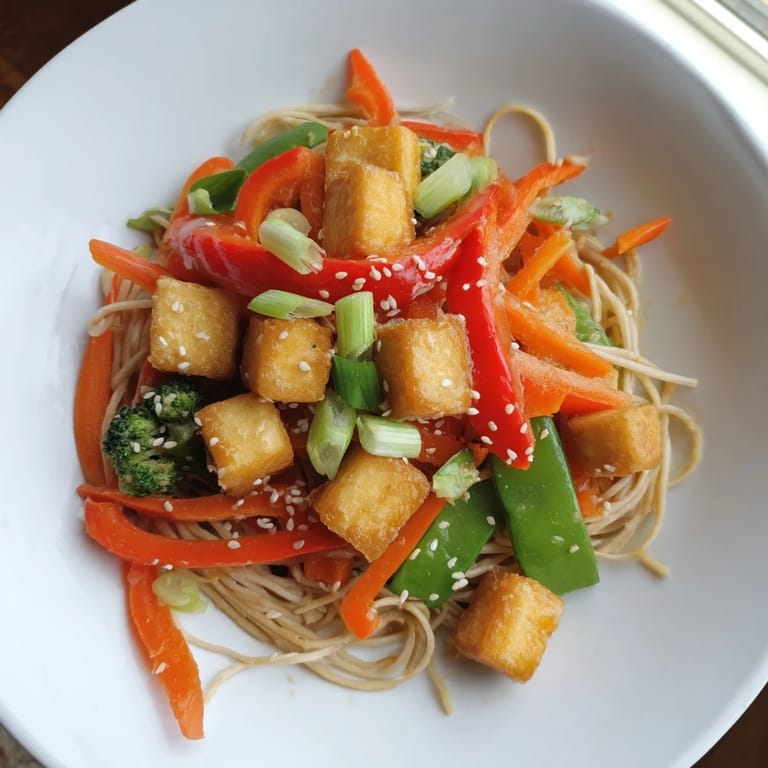
Save There's something about the sizzle of tofu hitting a hot wok that instantly transports me back to a cramped apartment kitchen where I first attempted stir-fry cooking. My roommate had challenged me to make something restaurant-quality on a student budget, and I'll never forget the moment those golden cubes emerged from the oil—crispy, almost nutty, nothing like the rubbery disaster I'd expected. That night taught me that tofu isn't boring; it's just waiting for the right introduction, which happens to be a screaming hot pan and a sauce so good you'll want to drink it straight from the bowl.
I made this for my neighbor last spring when she mentioned being overwhelmed with vegetarian cooking, and watching her face light up when she tasted it was worth every dirty dish in my sink. She ate it standing at my counter, barely pausing between bites, and asked for the recipe before she'd even finished. That's when I knew this stir-fry wasn't just a weeknight solution—it was the kind of dish that quietly changes how people think about plant-based eating.
Ingredients
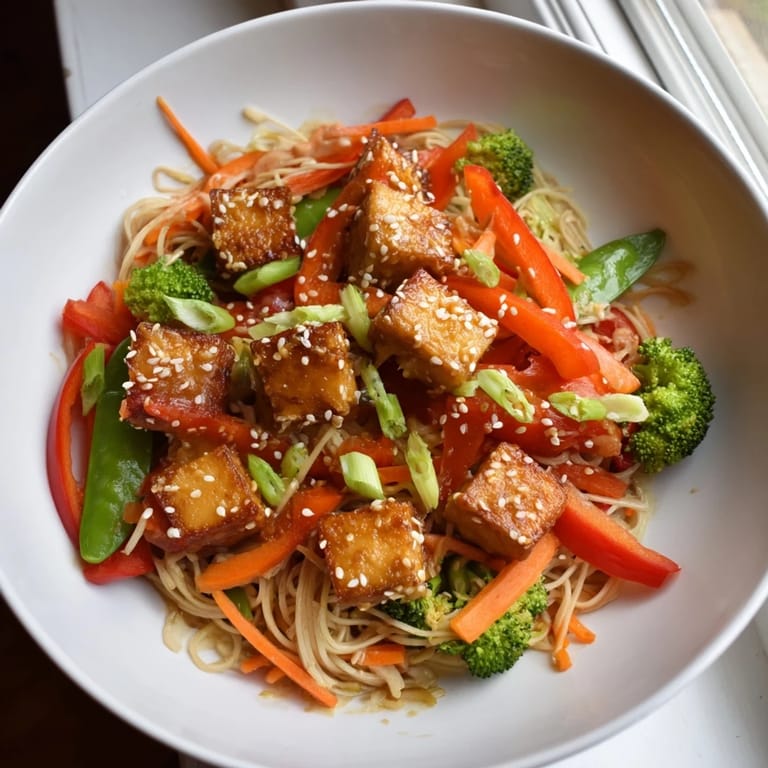
- Firm tofu, 400 g, drained and pressed: Pressing removes excess moisture so your cubes fry up crispy instead of steaming; don't skip this step or you'll end up with soggy tofu.
- Cornstarch, 1 tbsp: This is your secret weapon for that shatteringly crisp exterior that feels restaurant-quality.
- Vegetable oil, 2 tbsp plus more as needed: Use a neutral oil with a high smoke point—peanut or avocado oil are excellent choices.
- Red bell pepper, 1, thinly sliced: The sweetness balances the ginger heat, plus they stay slightly crisp if you don't overcook them.
- Carrot, 1 medium, julienned: Julienning (thin matchsticks) means they cook fast and add a subtle sweetness without dominating the other flavors.
- Sugar snap peas, 100 g, trimmed: These add a delicate crunch and bright pop of flavor that makes the whole dish feel less heavy.
- Broccoli florets, 100 g: Small florets cook quickly and absorb the sauce beautifully.
- Spring onions, 2, sliced: Most goes in at the end for freshness, but a little scattered through adds subtle allium notes.
- Dried wheat or rice noodles, 250 g: Rice noodles give you a lighter, more delicate texture if you prefer; wheat noodles are sturdier and hold the sauce better.
- Soy sauce, 3 tbsp: Use a good-quality soy sauce—it's not just salt, it's umami backbone.
- Toasted sesame oil, 1 tbsp: This is worth buying the real thing; cheap versions taste musty and ruin the whole dish.
- Rice vinegar, 2 tbsp: The acidity cuts through the richness and keeps the sauce bright instead of cloying.
- Honey or maple syrup, 1 tbsp: Just enough sweetness to round out the rough edges and balance the ginger sting.
- Fresh ginger, 2 tbsp, grated: Grate it on a microplane just before cooking so you get all those volatile oils that make your kitchen smell incredible.
- Garlic, 2 cloves, minced: Fresh garlic is non-negotiable; jarred garlic will make everything taste flat.
- Sesame seeds, 2 tbsp total: Toast them yourself if you have time—they become fragrant and nutty instead of dusty.
- Fresh coriander or cilantro (optional): If you love cilantro, pile it on; if you don't, the dish is perfect without it.
- Lime wedges (optional): That final squeeze of acid is optional but honestly transforms the whole experience.
Tired of Takeout? 🥡
Get 10 meals you can make faster than delivery arrives. Seriously.
One email. No spam. Unsubscribe anytime.
Instructions
- Get your noodles cooking first:
- Boil water, add noodles, and follow the package timing—they should still have a tiny bit of resistance when you bite them. Drain and rinse under cold water immediately so they don't clump together while you finish everything else.
- Prep your tofu with intention:
- Slice into bite-sized cubes, then toss with cornstarch like you're coating them in a protective layer. Let them sit for a minute so the starch clings properly.
- Get the pan screaming hot:
- This is the moment that matters—your wok or skillet needs to be almost smoking before tofu touches it. Add oil and wait until it shimmers and moves like water, about 2 minutes. The sizzle you hear when tofu hits the pan should be aggressive and loud.
- Fry the tofu until it's golden on all sides:
- Don't move it around frantically; let each side sit for 2–3 minutes so it develops that crust. You're looking for a deep golden color, almost caramelized in spots. This takes about 6–8 minutes total.
- Cook your vegetables with speed and purpose:
- Once tofu's out, add a splash more oil if the pan looks dry. Bell pepper, carrot, sugar snap peas, and broccoli go in together, and you want to keep the heat high and the motion constant. They should stay crisp with just a slight softness—about 3–4 minutes of vigorous tossing.
- Make your sauce while the vegetables cook:
- Whisk soy sauce, sesame oil, rice vinegar, honey, ginger, garlic, and sesame seeds in a bowl. Taste it—it should make your mouth water. If it tastes too strong, a splash of water mellows it; if it's flat, add more ginger.
- Bring everything together gently:
- Return tofu to the pan, add your cooked noodles and the sauce, then toss everything with tender care for 2–3 minutes until the noodles are coated and hot. You're not trying to break the tofu or mush the vegetables.
- Finish with purpose:
- Top with spring onions, extra sesame seeds, and cilantro if you're using it. Serve immediately with lime wedges on the side so people can squeeze their own brightness into every bite.
 Save
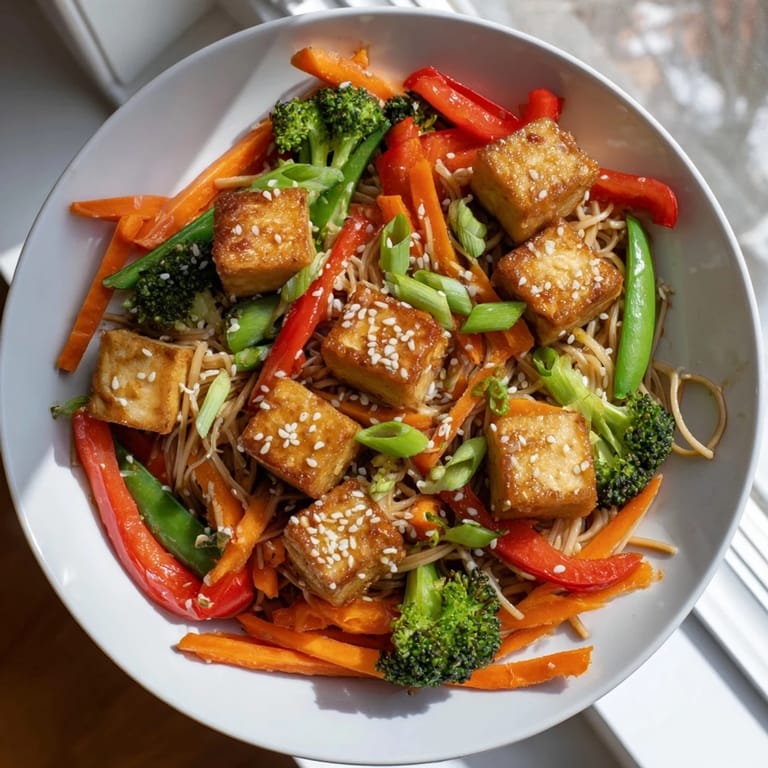
Save I remember my sister coming home exhausted from a brutal day at work, and this stir-fry was what I had ready for her—nothing fancy, just honest food that tasted vibrant and made her feel cared for. She told me later that it was the first moment all day she'd actually stopped thinking about work, and that's when I realized this recipe is about more than feeding people quickly; it's about the feeling of being nourished when you need it most.
The Sesame Oil Question
Toasted sesame oil is the heart of this dish's flavor, but it's also polarizing—some people find it overwhelming if they've never had good sesame oil before. Start with a touch less than the recipe calls for, taste, and add more if you want. I once made this for someone who thought they didn't like sesame, and they were shocked to discover it was the highlight once they understood what quality sesame oil actually tastes like.
Vegetable Flexibility
This recipe works with nearly any vegetable that cooks quickly—mushrooms, baby corn, bok choy, snap peas, even zucchini thin-sliced will work beautifully. I've made it with whatever was in my crisper drawer, and the only rule is to keep pieces similar in size so they cook evenly. My favorite improvisation was adding shiitake mushrooms, which absorbed the sauce and turned silky.
Making It Your Own
This stir-fry is a canvas, not a rigid instruction manual, and once you've made it once, you'll understand the rhythm well enough to play with it. Feeling it needs more heat? Add chili flakes or sriracha to the sauce. Want it earthier? Swap in tamari and rice noodles for a gluten-free version that tastes even more refined. Craving richness? A drizzle of chili oil at the end changes everything.
- Rice noodles make it lighter and more delicate; wheat noodles are sturdier and chewier if that's what you prefer.
- Ginger is forgiving—add a tiny bit more if you love heat, or dial it back if you're cooking for people who find it intimidating.
- The sauce keeps in a jar for up to a week, so you can make it ahead and assemble the stir-fry in minutes on a rushed evening.
 Save
Save This stir-fry has become my go-to when I want to feel like I'm cooking with intention but don't have hours to spend in the kitchen. It's taught me that vegetarian cooking can be bold, satisfying, and somehow feel indulgent all at once.
Recipe Q&A Section
- → How do I achieve crispy tofu in this dish?
Press the tofu to remove excess moisture, then toss cubes in cornstarch before frying in hot oil until golden on all sides for a crispy texture.
- → Can I substitute the noodles in this stir-fry?
Yes, wheat noodles or rice noodles both work well. For gluten-free, opt for certified gluten-free rice noodles.
- → What vegetables complement this tofu stir-fry?
Bell pepper, carrot, sugar snap peas, and broccoli add color and crunch, but mushrooms, baby corn, or bok choy are great alternatives.
- → How can I add heat to the sauce?
Incorporate chili flakes or a dash of sriracha into the sauce to introduce a spicy kick.
- → Is sesame oil necessary in the sauce?
Toasted sesame oil provides a nutty depth of flavor, but if unavailable, you can omit or substitute with a mild oil, keeping in mind it alters the taste.