 Save
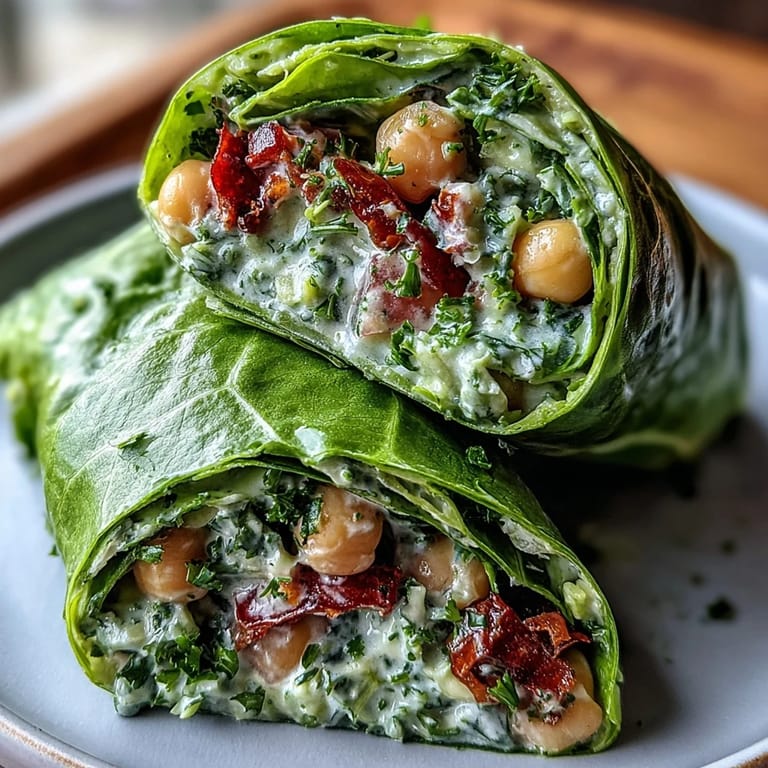
Save There's a moment every spring when I suddenly can't eat heavy food anymore—my body just rebels against it. That's when these lettuce wraps saved me from another sad desk salad situation. I was standing in my kitchen on a Tuesday afternoon, staring at a can of chickpeas and an avocado that was perfectly ripe, and something just clicked. The crisp lettuce leaves felt like a revelation, like discovering you could eat something satisfying and feel lighter afterward. It's become my go-to when I need lunch that doesn't feel like a compromise.
I made these for my friend Maya who'd just started eating plant-based, and I watched her face light up when she realized she could eat something this delicious without missing cheese or meat. She ate two wraps back-to-back and asked for the recipe immediately. That's when I knew these weren't just my quirky lunch hack—they were actually something people genuinely wanted to make again.
Ingredients
- Chickpeas (one 15-oz can): Rinse them thoroughly under cold water to remove that starchy liquid—it makes a real difference in texture and prevents the filling from getting gummy.
- Ripe avocado (1 large): Don't stress about perfect halves; you want it diced anyway, and slightly soft avocados actually mash better and create a creamy base that holds everything together.
- Red onion (1/4 cup): The bite from raw red onion is essential here, so don't skip it or swap it for something milder—it's what keeps this from tasting like baby food.
- Cucumber (1/2 cup): Dice it while it's still cold from the fridge, and if you notice watery seeds, scoop some out with a spoon so your wraps don't get soggy.
- Cherry tomatoes (1/2 cup): Quarter them rather than halving so they distribute evenly throughout each bite and don't roll around inside the lettuce.
- Fresh parsley or cilantro (1/4 cup): Chop it right before assembling to keep it bright and fragrant—the difference between herbs chopped an hour ahead versus five minutes before is honestly noticeable.
- Lemon juice (2 tbsp): Fresh squeezed tastes sharper and cleaner than bottled, and you'll genuinely taste the difference in this simple dressing.
- Extra virgin olive oil (2 tbsp): Use something you actually enjoy tasting on its own because it's the backbone of your dressing and there's nowhere to hide a mediocre oil.
- Dijon mustard (1 tsp): This tiny amount adds a subtle tang and emulsifies the dressing so it clings to everything instead of pooling at the bottom.
- Garlic (1 small clove): Mince it finely and let it sit in the dressing for a minute before tossing—raw garlic needs that little moment to become less harsh.
- Sea salt and black pepper (1/2 tsp and 1/4 tsp): Season gradually as you mix and taste; you can always add more but you can't take it back.
- Lettuce leaves (8 large): Choose sturdy varieties like romaine or butter lettuce that won't tear when you fill them, and wash and dry them thoroughly or they'll fall apart in your hands.
Tired of Takeout? 🥡
Get 10 meals you can make faster than delivery arrives. Seriously.
One email. No spam. Unsubscribe anytime.
Instructions
- Mash the base:
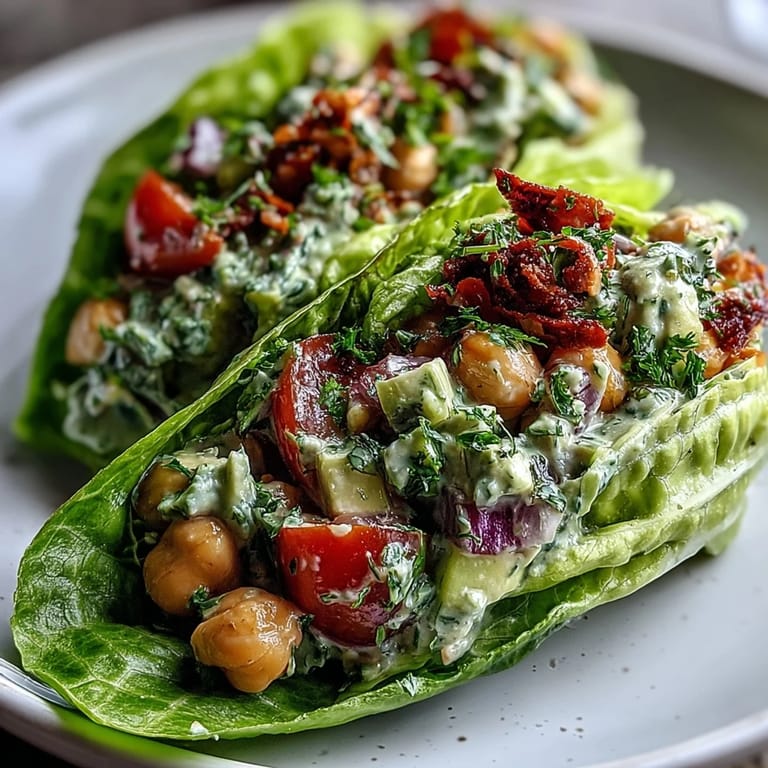
- Pour your rinsed chickpeas into a large bowl with the diced avocado and use a fork to gently crush them together, leaving plenty of whole chickpeas visible so you get that wonderful texture contrast. You're looking for something that holds together but still feels chunky, not a smooth paste.
- Build the filling:
- Toss in your red onion, cucumber, cherry tomatoes, and fresh herbs, stirring gently to distribute everything evenly without breaking up your avocado pieces any further. The colors should look vibrant and the ingredients should feel balanced.
- Whisk the dressing:
- In a small bowl, combine your lemon juice, olive oil, Dijon mustard, minced garlic, salt, and pepper, whisking until the mixture looks slightly emulsified and smells bright and garlicky. This is your moment to taste and adjust—if it feels too acidic, add a touch more oil; if it's flat, a pinch more salt wakes it up.
- Bring it together:
- Pour the dressing over your chickpea mixture and toss gently but thoroughly, making sure every ingredient gets coated and your avocado distributes into creamy pockets throughout. Try not to over-mix here; aggressive stirring will mash your filling into oblivion.
- Prepare your lettuce vessels:
- Pat your lettuce leaves dry with a kitchen towel because wet leaves will make your wraps fall apart the moment you bite into them. Lay them out on a clean surface, and if any have torn or wilted spots, set those aside for snacking straight from the bowl.
- Fill and customize:
- Spoon the chickpea mixture generously into the center of each lettuce leaf, then top with radishes, shredded carrots, sprouts, or whatever optional garnishes you're using for extra crunch. Don't overstuff or your wrap will explode, but also don't be timid—these leaves are more resilient than you'd think.
- Wrap and serve:
- Fold the sides of each lettuce leaf up and around the filling, creating a little package that you can pick up and eat with your hands. Serve immediately while everything is still crisp and cold, because waiting even 10 minutes softens the lettuce and changes the whole experience.
 Save
Save What struck me most was when my mom tried one of these and immediately started planning a garden so she could grow her own cherry tomatoes and herbs, which felt like a small victory for a recipe. Food has this funny way of inspiring people to think bigger about what they eat, and these wraps somehow managed to feel both simple and special at the same time.
The Make-Ahead Advantage
If you're packing these for work or meal prep, separate your components into containers and assemble them fresh right before you eat. I learned this the hard way when I packed a fully assembled wrap in my lunch bag and by noon the lettuce had absorbed all the dressing moisture and turned into sad, translucent paper. Now I keep the salad mixture in one container and the lettuce leaves in another, and it takes maybe two minutes to build a fresh wrap at my desk.
Why Lettuce Shells Matter
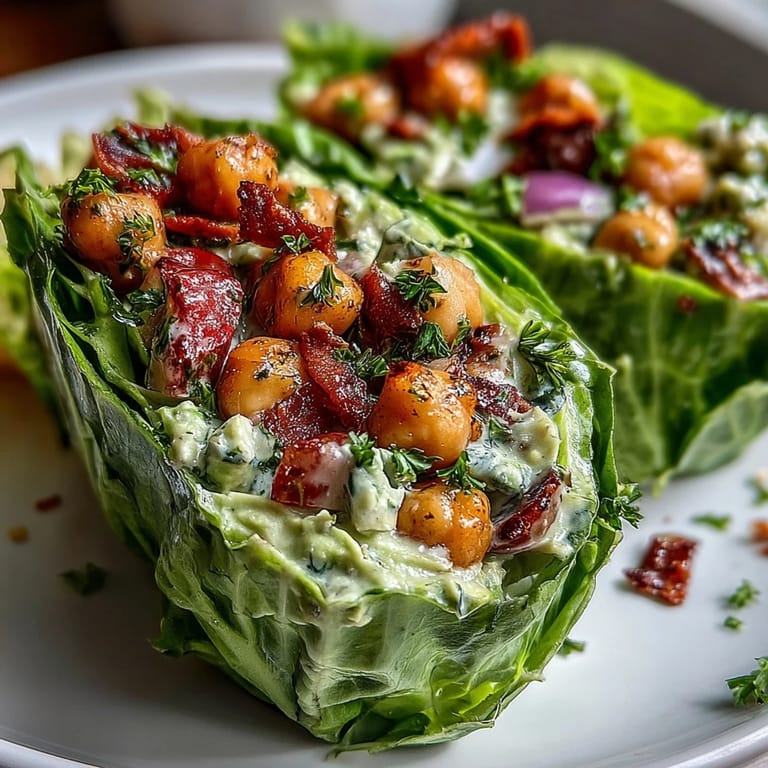
The lettuce isn't just a vehicle for the filling—it's genuinely part of what makes these special. That cold, crisp texture against the creamy chickpea mixture creates this textural dialogue that regular bread wraps can never achieve. You get to taste every component distinctly instead of everything melding into a soft mush, and somehow that separation makes the whole thing feel more intentional and delicious.
Customization Without Limits
The beauty of this recipe is that it's basically a template for whatever vegetables are speaking to you that season. In summer I add corn and fresh basil, in fall I've thrown in shredded purple cabbage and sunflower seeds, and once I experimented with adding a thin layer of tahini because I was curious. The chickpea-avocado base is stable enough to handle variations without falling apart.
- Toasted pumpkin seeds or sunflower seeds add a satisfying crunch that competes beautifully with the lettuce.
- A thin smear of hummus or tahini on the lettuce leaf before filling creates richness without heaviness.
- Feta cheese works magic if you're not vegan, especially if you crumble it right before assembling.
 Save
Save These wraps have somehow become my answer to that 2 p.m. slump when I need something nourishing but not heavy, and they've converted more than a few skeptics into actual fans. If you make them once, you'll understand why.
Recipe Q&A Section
- → What type of lettuce works best for these wraps?
Crisp lettuces such as romaine, iceberg, or butter lettuce are ideal as they hold the filling well and add a refreshing crunch.
- → Can I prepare the salad mixture in advance?
Yes, preparing the salad and dressing separately ahead of time is recommended. Combine just before serving to keep everything fresh.
- → What can I add for extra crunch?
Diced celery, bell peppers, or garnishes like radishes and shredded carrots enhance texture and add vibrant flavors.
- → Is this suitable for vegan and gluten-free diets?
Absolutely, all the ingredients are plant-based and naturally gluten-free, making it suitable for both dietary needs.
- → How can I vary the flavor of the dressing?
Try adding herbs like basil or cilantro, or a touch of honey or maple syrup for a subtle sweetness to balance the tang.