 Save
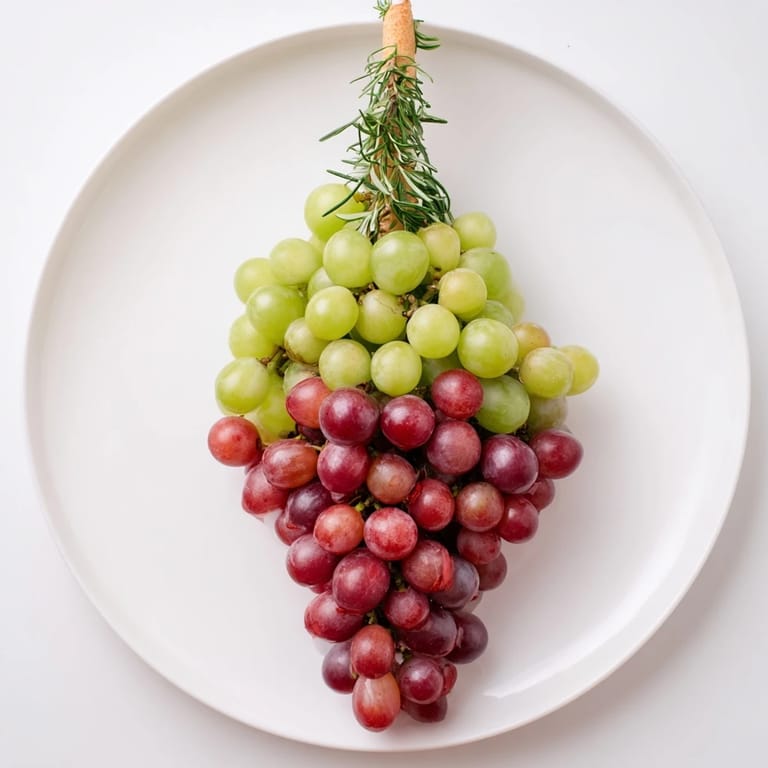
Save I still remember the first time I saw a grape cluster cascade down a wooden board at my cousin's vineyard wedding in Tuscany. The way the grapes tumbled like jewels, held together by their own weight and a rustic breadstick stem, made me realize that sometimes the most elegant dishes are the simplest ones. It was more sculpture than appetizer, and I couldn't resist asking her how it was made. She laughed and told me the secret: it's all about the arrangement and letting the grapes do the work.
Last summer, I brought this to a potluck dinner, nervous that something so simple wouldn't impress. Within minutes, people were gathered around asking how I made it. One guest actually cried a little, saying it reminded her of visiting her grandparents' vineyard as a child. That's when I understood this dish isn't really about the grapes at all—it's about creating a moment that feels special and familiar at the same time.
Ingredients
- 600 g seedless green grapes: These are the backbone of your cascade, and their bright color creates that beautiful contrast. Buy them a day or two early so they're perfectly chilled and firm when you arrange them. I learned the hard way that grapes at room temperature tend to slip and slide everywhere.
- 600 g seedless red or black grapes: The color contrast between red and green is what makes this dish truly stunning. If you can find them, go for the deeper reds rather than the lighter ones—they photograph beautifully and create more visual drama.
- 1 rustic baguette or 10–12 breadsticks: This is your stem, and it needs to look intentional. A real baguette cut at an angle looks more natural than uniform breadsticks, but breadsticks work too if you're going for a tidier look. The bread also gives guests something to nibble on between grapes.
- 150 g thin salami sticks (optional alternative): If you want to skip bread entirely or go meatier, Italian salami creates a more rustic, charcuterie-board vibe. It holds the grapes just as well and adds a savory element.
- Fresh thyme, rosemary, or grape leaves for garnish: These herbs aren't just decoration—they add aroma and authenticity. When guests lean in to grab grapes, they'll catch the scent of fresh herbs, making the whole experience more sensory and memorable.
Tired of Takeout? 🥡
Get 10 meals you can make faster than delivery arrives. Seriously.
One email. No spam. Unsubscribe anytime.
Instructions
- Start with perfectly dry grapes:
- Wash your grapes and pat them completely dry with a kitchen towel. Wet grapes will slip off your arrangement faster than you can say 'disaster.' I use a soft cloth and take my time here—it's the unglamorous foundation that makes everything else work.
- Create your grape clusters:
- Remove most grapes from their stems, but try to keep little clusters of 3–5 grapes still attached where you can. These micro-clusters are your secret—they give the final arrangement a natural, vineyard-fresh look instead of appearing like a pile of random grapes.
- Build your cascade:
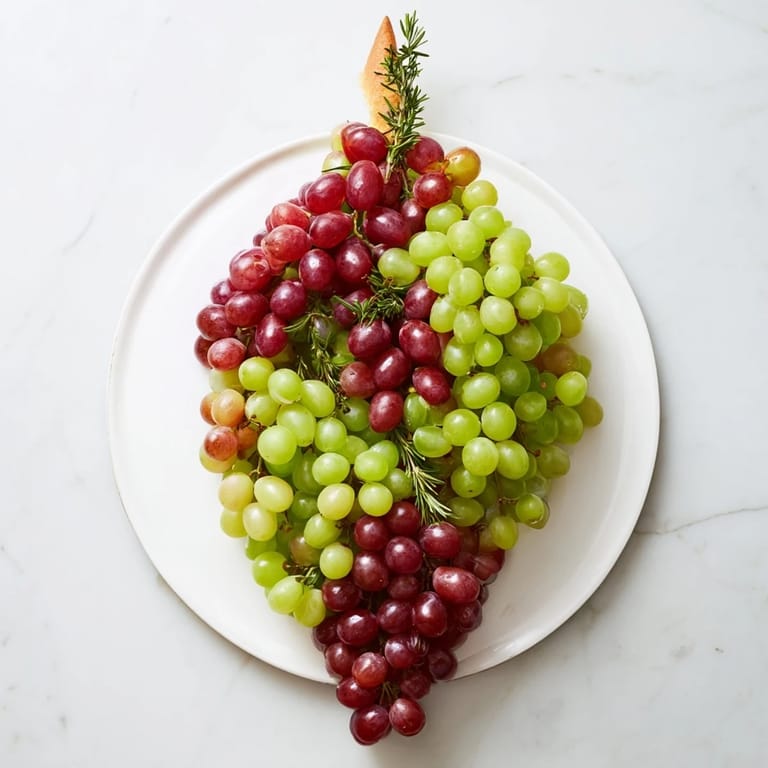
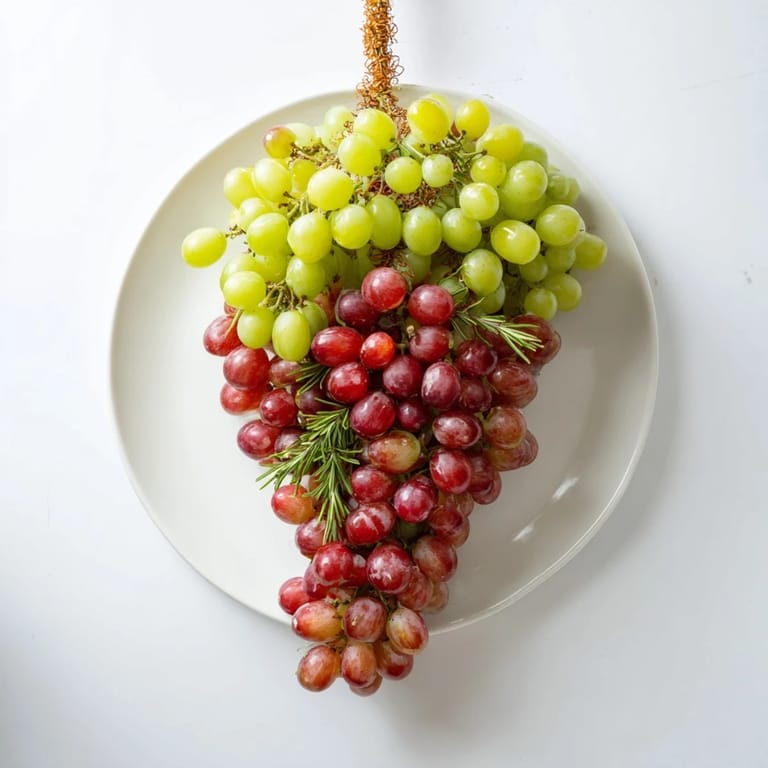
- On your platter or board, start arranging grapes in a teardrop or inverted triangle shape. Begin wide at the bottom with plenty of grapes clustered together, then gradually taper upward. Think of it like a waterfall flowing downward—tight and full at the base, becoming more sparse as you reach the top. This takes longer than you'd think, so be patient and adjust as you go.
- Add your stem:
- Once your grape cluster takes shape, place your baguette piece or breadsticks at the narrow top, angling them slightly so they look like they're naturally supporting the grapes above. If using salami, fan the sticks out slightly for visual interest.
- Tuck in fresh herbs:
- Slip sprigs of thyme or rosemary around and between the grapes, and nestle any grape leaves you have around the base where the stem meets the cluster. This adds layers of green and makes the whole thing look intentionally designed rather than randomly piled.
- Present with confidence:
- Step back, admire what you've created, and bring it to the table. Set it where people can see it before eating—the presentation is half the joy of this dish.
 Save
Save I once made this for my daughter's school fundraiser, and a father came up to me afterward with genuine tears in his eyes. He said seeing the grape cluster reminded him of his late father, who owned a small vineyard. He'd never thought to make something like that himself. That's when I realized this dish does something special—it turns ingredients into memory, a platter into a portal. That's why I keep making it.
Choosing the Right Grapes
Not all grapes are created equal for this project. Seedless varieties are non-negotiable because you don't want guests spitting out seeds mid-elegant moment. Green and red grapes together create the visual magic—if you use only one color, it's less striking. I've found that grapes from the farmers market tend to be firmer and fresher than supermarket ones, and that firmness matters when you're stacking them. Buy them the day before so they have time to get cold and crisp in your fridge. Avoid any that are split or overly soft—they'll detach from the arrangement immediately.
Making It Your Own
While the classic grape-and-bread version is beautiful, this dish invites creativity. I've tucked cubes of aged cheddar or brie around the grapes for a cheese-board situation. Some friends have added candied nuts around the edges for a sweet-savory twist. The salami version turns it into something more decadent and less vegetarian, which feels right for a sophisticated charcuterie spread. You could even alternate rows of green and red grapes for a more geometric look, or scatter edible flowers among the clusters if you're feeling fancy. The bones of the dish are simple enough that you can play with it.
Timing and Storage
Assemble this no more than 2–3 hours before serving. The bread will start to soften from grape moisture, and the arrangement holds up best when fresh. If you're concerned about timing at a party, you can wash and dry your grapes the morning of, and assemble everything 30 minutes before guests arrive. Keep it in a cool spot, away from direct sunlight—grapes actually continue to release moisture, so your platter will weep slightly if left out too long. For hot weather entertaining, pop the whole thing in the fridge until the last possible moment before serving.
- Assemble no more than 3 hours before serving to keep bread from softening
- Chill your grapes thoroughly beforehand for a crisper presentation
- Bring to room temperature for about 10 minutes before serving so the flavors shine
 Save
Save Every time I make this, I'm struck by how something so simple can become the moment people remember about a gathering. It's not about complicated techniques or rare ingredients—it's about taking time to arrange something beautiful and sharing it with people you care about.
Recipe Q&A Section
- → What types of grapes work best for this cluster?
Seedless green and red or black grapes are ideal for creating a vibrant and manageable cluster, allowing for easy arrangement and a natural look.
- → Can I substitute the stem material?
Yes, the stem can be made from rustic baguette, breadsticks, or thin salami sticks, depending on dietary preferences and desired flavor.
- → How do you keep the grape clusters secure?
Maintain small clusters of 3–5 grapes attached to their stems for natural grouping and arrange tightly on the platter to ensure stability.
- → Are there decoration tips for enhancing presentation?
Fresh herbs like thyme, rosemary, or grape leaves tucked around the cluster and stem add color, aroma, and a realistic vineyard feel.
- → What are good pairings with this grape cluster display?
This centerpiece complements crisp white wines or sparkling rosé and pairs well alongside cheese and nuts for varied textures.
- → Is this suitable for vegetarian or gluten-free diets?
Using bread for the stem suits vegetarian guests; substituting with salami removes vegetarian suitability. Gluten-free breadsticks can ensure a gluten-free option.