 Save
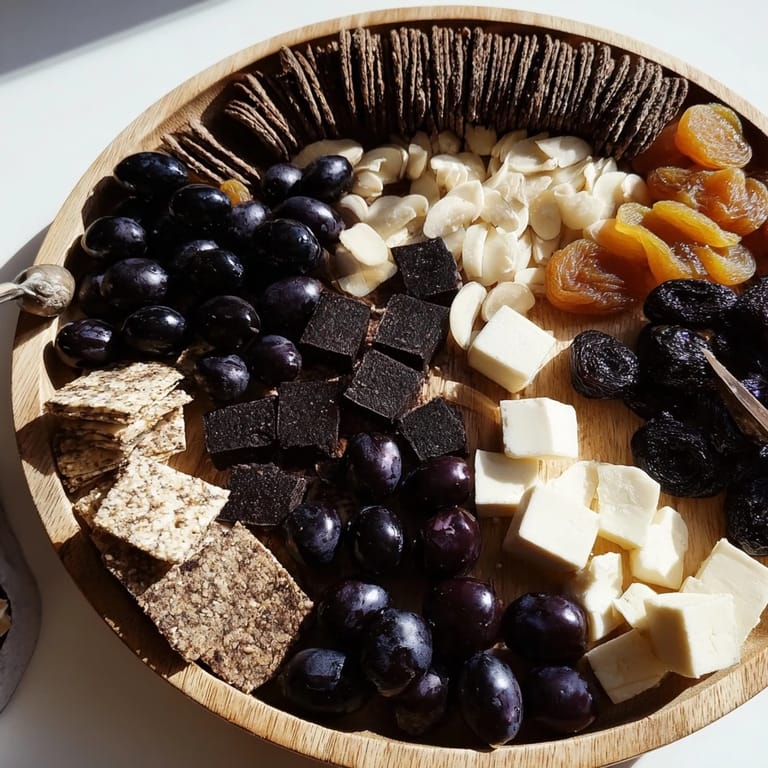
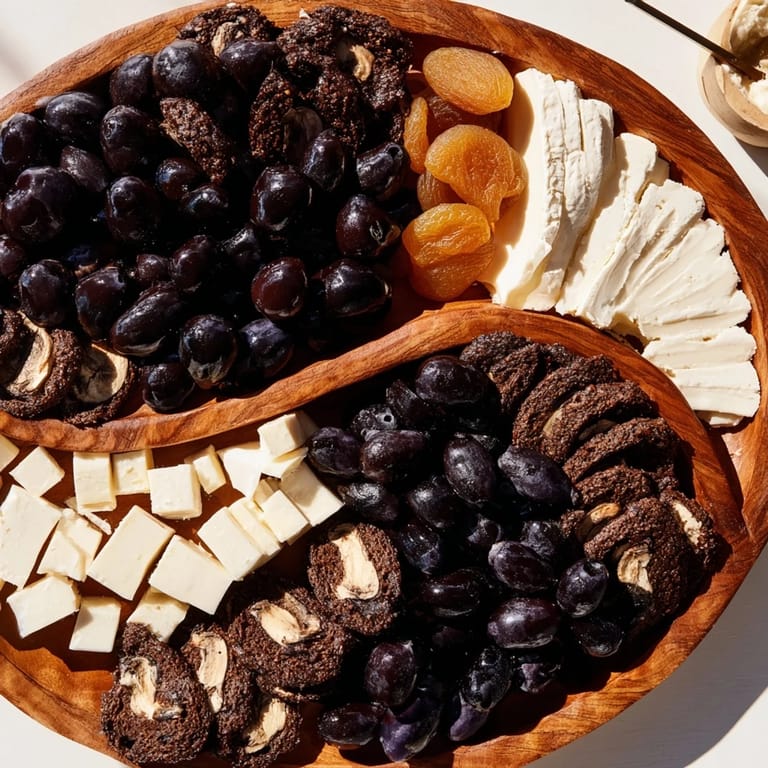
Save I discovered the magic of the yin and yang balance board at a dinner party where everything felt a bit too formal, too separate. A friend brought out this circular platter divided into dark and light halves, and something shifted in the room. Suddenly, the conversation flowed differently, guests mingled between flavors, and everyone gravitated toward finding harmony on their own plates. It was the moment I realized that food could be both a feast for the eyes and a lesson in balance.
I remember arranging this board for my sister's engagement party, watching her eyes light up as she realized the yin and yang symbolized the two of them coming together. She picked a black olive and a white grape at the same time, laughed, and said it tasted like their relationship. That's when I knew this wasn't just a board—it was a conversation starter that brought people together.
Ingredients
- Black olives, pitted: These are your anchors on the dark side, bringing a savory earthiness. I learned the hard way to buy them already pitted because pitting by hand takes forever and your fingers smell for days.
- Dark rye crackers: The sturdy backbone of the dark half. Choose ones with a bit of texture so they don't disappear on the board.
- Aged balsamic-glazed mushrooms: These add umami depth and a glossy visual appeal. If you can't find them pre-made, slice cremini mushrooms and brush with balsamic vinegar.
- Black grapes or blackberries: Fresh, juicy sweetness that prevents the dark side from feeling too heavy.
- Dark chocolate squares: 70% cacao or above keeps it sophisticated, not candy-like. Break up good chocolate and let it be itself.
- White cheese: Goat cheese, brie, or fresh mozzarella—choose based on what feels creamy and elegant to you. Creamy textures balance the crackers.
- Rice crackers or water crackers: These are delicate and won't overpower the light side. They're the neutral canvas.
- Raw cashews or blanched almonds: Buttery, mild, and they add the protein moment the board needs. Blanched almonds feel more refined than skins-on.
- Dried apricots or white grapes: Sweetness on the light side that echoes the grapes on the dark side. The symmetry matters more than perfection.
- Honey: A final drizzle that says this board was made with care.
Tired of Takeout? 🥡
Get 10 meals you can make faster than delivery arrives. Seriously.
One email. No spam. Unsubscribe anytime.
Instructions
- Start with your canvas:
- Place your large round platter on the work surface. Step back and look at it the way a painter would. This is going to be beautiful.
- Mark your division gently:
- Use a small bowl or circular cutter as a guide to lightly mark an S-shaped curve down the center. You're not carving it—just creating a whisper of a line that says where the magic happens.
- Build the dark side with intention:
- Start with black olives scattered like dark stones in a garden. Add dark rye crackers in clusters, then tuck in the balsamic mushrooms for shine. Scatter black grapes or blackberries where there are gaps, and place dark chocolate squares in corners like little treasures. Step back. Does it feel balanced?
- Balance with the light side:
- Arrange white cheese cubes or slices with the same care you gave the dark side. Layer rice crackers, add a handful of nuts, then scatter dried apricots or white grapes. The light side should feel as abundant and thoughtful as the dark.
- Complete the symbol:
- Place a small round cheese ball or olive as the dot in each swirl of the yin and yang. This detail transforms it from pretty to meaningful.
- Final touch:
- Drizzle honey over the light side if you want. Let it pool slightly. This is the last note—make it count.
 Save
Save What struck me most about serving this board was watching strangers become friends. They gravitated toward the yin and yang symbol, asked questions about why it mattered, and discovered their own balance between the flavors. It became less about appetizers and more about a moment where everyone felt seen.
The Art of Board Balance
Building a balance board is actually a meditation. You're thinking about color contrast, texture variety, and flavor distribution all at once. The dark side naturally feels heavy with olives and chocolate, so you need those grapes and lighter crackers to breathe. The light side could feel boring without the nuts and cheese adding richness. The magic is in how these opposites create completeness on the same surface.
Choosing Your Ingredients Wisely
Every ingredient on this board should be something you'd enjoy eating on its own. Don't use it as a dumping ground for crackers from the back of the pantry or chocolate you don't actually love. This board only works if every component feels intentional and delicious. I learned this when I tried to use mediocre cheese to save money—guests politely moved past it. Quality doesn't have to be expensive, but it has to be genuine.
Making It Your Own
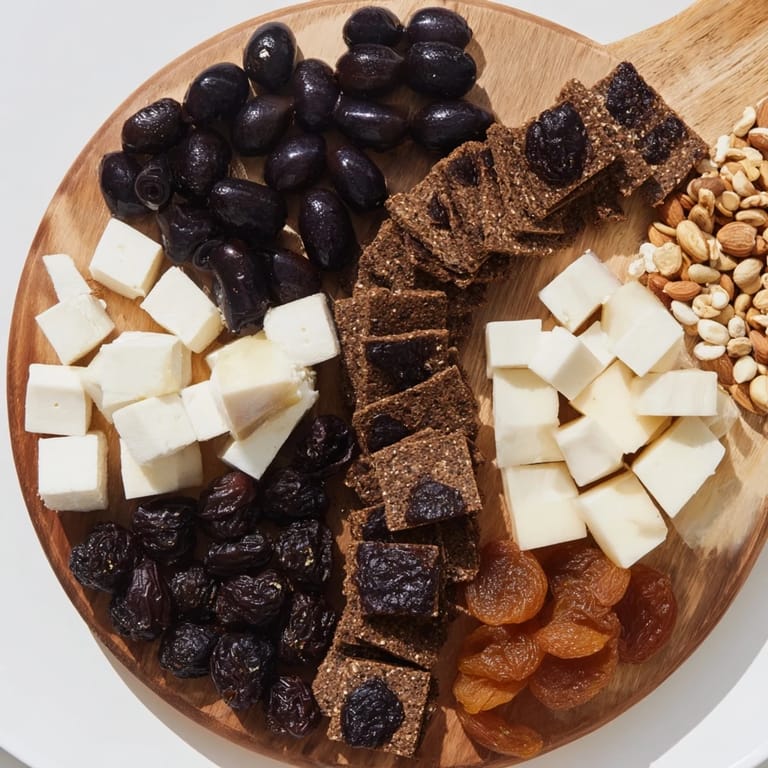
The yin and yang framework is just a starting point. I've seen someone do it with fruit and cheese, another friend went fully savory with cured meats and pickles, and someone even created a vegetarian Asian-inspired version with edamame and sesame crackers. The template stays sacred, but your palate gets to lead. Add fresh herbs, tuck edible flowers into corners, use colors that speak to you. The real rule is that dark and light must balance—everything else is personal expression.
- Consider your guests' preferences and dietary needs before filling the board
- Prep all ingredients ahead and arrange just before serving for maximum freshness
- Don't be afraid to rearrange—sometimes a visual doesn't feel right until you move it
 Save
Save Every time I make this board, I'm reminded that balance isn't about perfection—it's about bringing opposites together thoughtfully. Your yin and yang balance board will be the moment people remember.
Recipe Q&A Section
- → What kind of cheeses work best for the light side?
Soft cheeses like goat cheese, brie, or mozzarella add creaminess and complement the other light ingredients well.
- → Can the dark side ingredients be substituted?
Yes, you can swap dark rye crackers with other dark breads, and replace olives or grapes with similar textured fruits or nuts.
- → How do I create the yin and yang shape on the board?
Use a small bowl or circular cutter to lightly mark an S-shaped curve, dividing the board into dark and light halves.
- → Are there any pairing suggestions for this platter?
This balance board pairs nicely with sparkling white wine or a light red to enhance the flavors.
- → Is this board suitable for vegetarian diets?
Yes, all included ingredients are vegetarian-friendly, focusing on cheeses, nuts, fruits, and crackers.