 Save
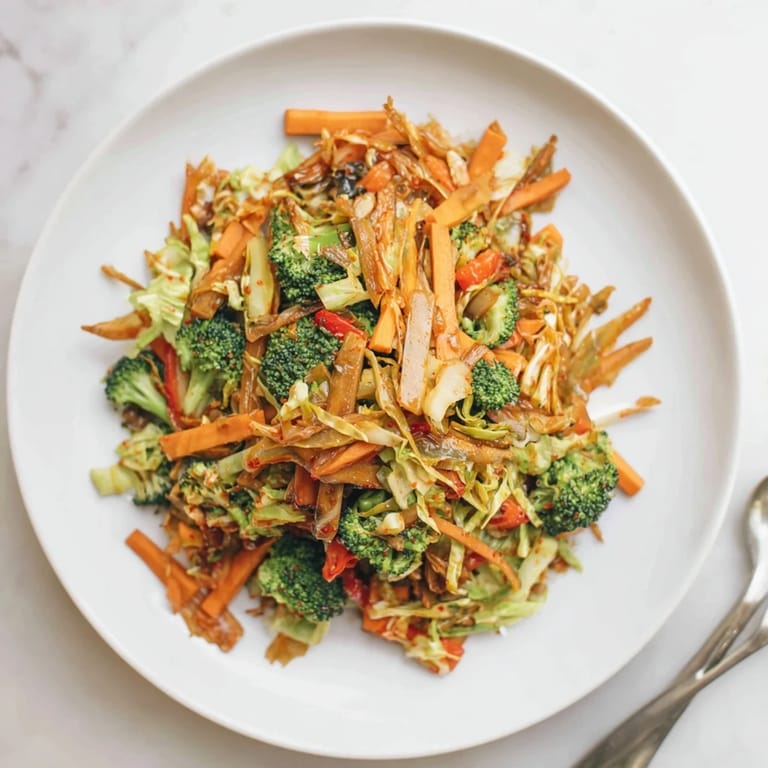
Save The first snow fell while I was chopping vegetables at the counter, that gray light filtering through the kitchen window making everything feel cozy and contained. I'd been craving something warm but alive with flavor, the kind of dish that wakes up your palate while still feeling like a hug. This stir-fry became my answer to winter doldrums, all those sturdy root vegetables meeting the bright kick of fermented kimchi. My roommate walked in midway through prep and immediately hovered near the stove, drawn by the sesame oil hitting the hot pan.
I made this for dinner with my sister last February when she was recovering from the flu and couldn't taste anything. She took one bite and her eyes actually widened, that first spark of returning appetite making me ridiculously happy. We sat at the tiny table with our bowls, watching steam rise into the cooling kitchen while she slowly went from picking at it to asking for seconds. Now she texts me every time she makes it, usually with some variation about how she added extra kimchi because she couldn't help herself.
Ingredients
- 1 small head broccoli: Cut into bite-sized florets so they cook evenly and catch all that sauce in their tiny trees
- 2 medium carrots: Slice them on the diagonal for more surface area and better caramelization
- 1 small parsnip: Peeled and sliced thin, these add a subtle sweetness that balances the kimchi's fierce tang
- 1 small sweet potato: Cut into thin matchsticks so they soften in the same time as the other vegetables
- 1 cup shredded green cabbage: Use pre-shredded bagged cabbage or slice it yourself into thin ribbons
- 1 red bell pepper: Sliced into strips for color and a fresh crunch that survives the stir-fry
- 1 tablespoon fresh ginger: Grate it directly into the hot oil for maximum aroma and immediate sizzle
- 2 cloves garlic: Minced finely so it disperses throughout the dish rather than clumping
- 2 tablespoons toasted sesame oil: This carries the entire flavor foundation, so use the good toasted stuff not plain sesame oil
- 2 tablespoons soy sauce or tamari: Tamari if you need it gluten-free, though soy sauce has that deeper fermented flavor
- 1 tablespoon rice vinegar: Adds brightness that cuts through the root vegetables natural sweetness
- 1 teaspoon maple syrup or honey: Just enough to round out the sharp edges and bring everything together
- 1 cup kimchi: Chopped into bite-sized pieces, older kimchi works even better here
- 2 green onions: Sliced thin for that fresh finish and pop of color
- 1 tablespoon toasted sesame seeds: Sprinkle them on top right before serving for texture and nutty richness
Tired of Takeout? 🥡
Get 10 meals you can make faster than delivery arrives. Seriously.
One email. No spam. Unsubscribe anytime.
Instructions
- Get everything ready before you turn on the stove:
- Stir-frying happens fast, so have all your vegetables prepped and sauces whisked together before you begin cooking. Nothing ruins the rhythm like scrambling for ingredients while oil is smoking in the pan.
- Heat your wok or largest skillet:
- Add the sesame oil and let it get properly hot over medium-high heat until it shimmers and maybe just starts to smoke. You want that aggressive heat to sear the vegetables quickly.
- Start with the aromatics:
- Toss in the grated ginger and minced garlic, stirring constantly for about 30 seconds until you can smell them. Do not let them brown or they will turn bitter.
- Add the harder vegetables first:
- Throw in the carrots, parsnip, sweet potato, and broccoli, stir-frying for 4 to 5 minutes. They need that head start to soften while developing golden edges.
- Add the quicker-cooking vegetables:
- Add the cabbage and bell pepper, continuing to stir-fry for another 3 to 4 minutes. Everything should be crisp-tender, not mushy, with some nice charred bits here and there.
- Make it saucy:
- Whisk together your soy sauce, rice vinegar, and maple syrup, then pour it directly over the vegetables. Toss everything together so the sauce coats all the surfaces and reduces slightly.
- Turn off the heat and add the kimchi:
- This is crucial because you want to preserve those live probiotics by not cooking them. Gently fold the chopped kimchi through the warm vegetables just until combined.
- Serve it up:
- Heap everything into bowls and scatter with green onions and sesame seeds while it is still steaming hot and fragrant.
 Save
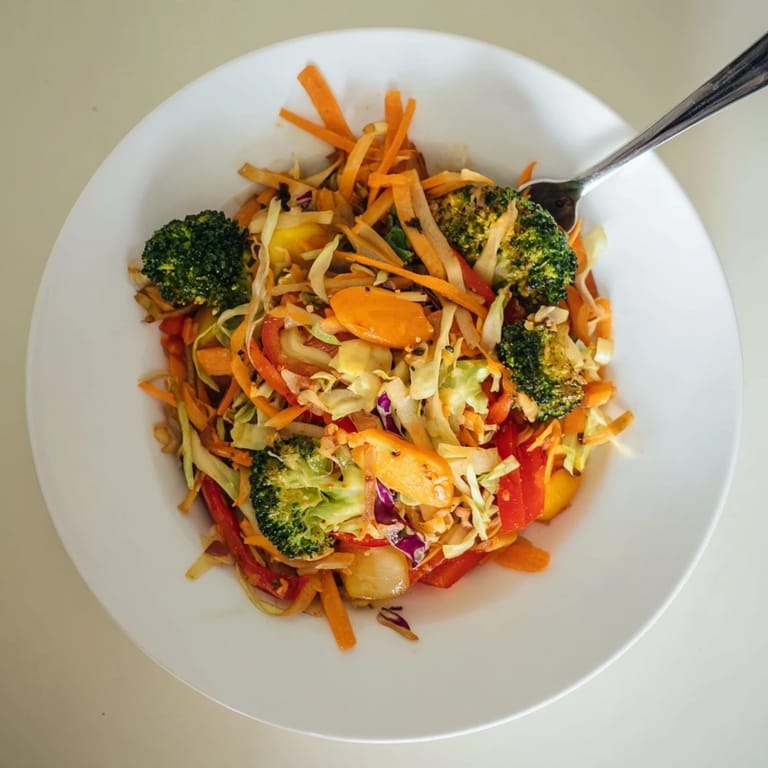
Save Last week I caught myself eating this straight from the pan while standing at the stove, too impatient to bother with a bowl. The steam was rising in the cold kitchen, all those colors swirling together, and I realized this dish has become one of those reliable favorites I make without even thinking about it. It is the recipe I turn to when I want something that feels substantial but leaves me energized instead of heavy.
Making It Your Own
I have played around with adding other winter vegetables like turnips, rutabaga, or even cubes of butternut squash when that is what I have on hand. Kale works beautifully too, just add it in the last minute so it wilts but keeps some texture. The beauty of this dish is how adaptable it is while still tasting cohesive.
Serving Suggestions
While this is plenty satisfying on its own, I often serve it over steamed brown rice or wrapped in warm tortillas for a quick fusion burrito. My favorite might be spooning it over soba noodles with an extra drizzle of sesame oil, letting the noodles soak up all that flavorful sauce at the bottom of the bowl.
Making It Ahead
This actually tastes even better the next day as the flavors meld together in the refrigerator. I often double the recipe on Sunday and pack it for lunch throughout the week, though I recommend packing the kimchi separately and stirring it in just before eating so it stays crunchy and fresh.
- Store in airtight containers for up to 4 days in the refrigerator
- Reheat gently in a pan with a splash of water to refresh the vegetables
- The kimchi will continue to ferment, so the flavor will get more intense over time
 Save
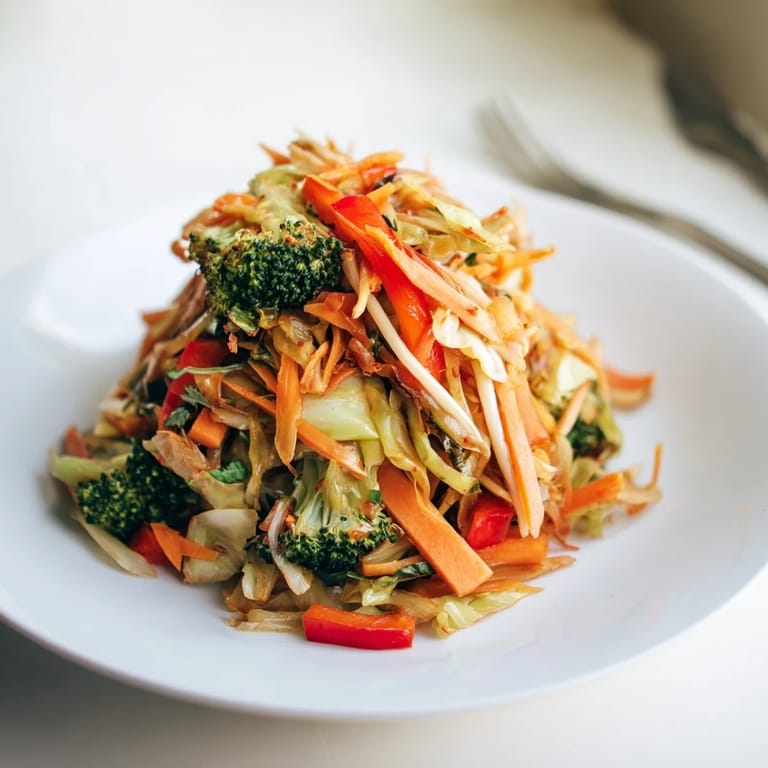
Save Hope this brings some warmth and brightness to your kitchen, especially on those days when winter feels like it will never end.
Recipe Q&A Section
- → Why add kimchi at the end instead of cooking it?
Adding kimchi at the end preserves the beneficial probiotics and live cultures that can be destroyed by high heat. It also maintains the kimchi's crisp texture and bright, tangy flavor that would become muted if cooked too long.
- → Can I use other fermented vegetables instead of kimchi?
Absolutely. Sauerkraut, curtido, or homemade fermented vegetables work beautifully. Choose fermented options that complement the savory-sweet flavor profile and add them at the very end just like the kimchi.
- → What other winter vegetables can I substitute?
Turnips, rutabaga, butternut squash, Brussels sprouts, or kale all work wonderfully in this stir-fry. Keep harder root vegetables in similar-sized pieces so they cook evenly, and add quicker-cooking greens like kale in the last few minutes.
- → How do I prevent the vegetables from becoming mushy?
Keep the heat at medium-high and avoid overcrowding the wok. Work in batches if necessary. Stir-fry just until vegetables are crisp-tender, and don't add the sauce until the vegetables have developed some color and slight char.
- → Is this dish spicy?
Kimchi typically adds mild to moderate heat depending on the brand. If you're sensitive to spice, start with a smaller amount of kimchi and taste before adding more. You can also choose a milder kimchi variety or rinse it briefly before adding.