 Save
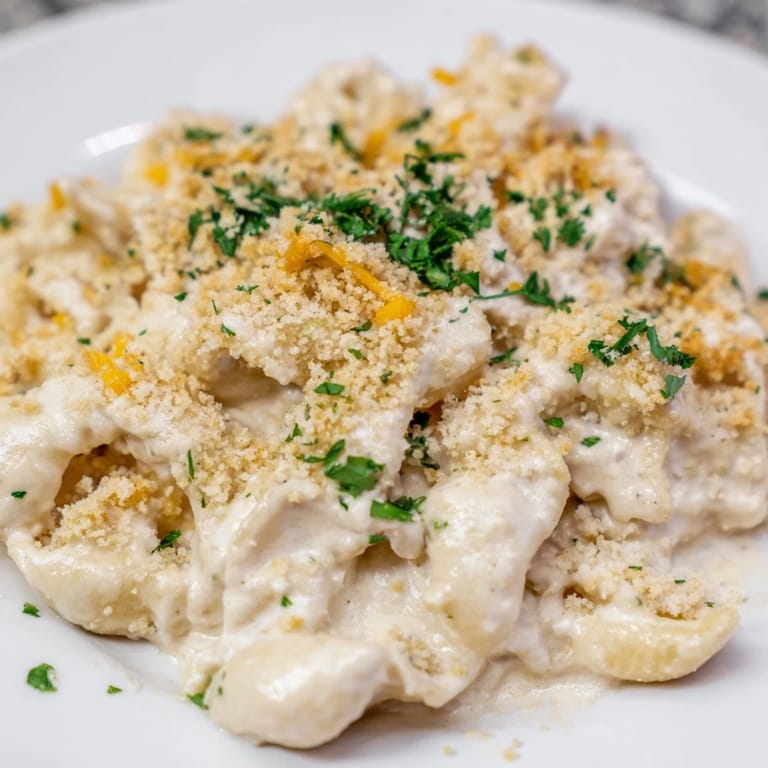
Save I discovered this recipe on a Tuesday when I was standing in my kitchen staring at a container of cottage cheese I'd bought with good intentions but never used. My usual mac and cheese routine felt heavy that day, and I thought—what if I blended that cottage cheese into the sauce instead? The result was so creamy and silky that my roommate asked if I'd finally invested in some fancy cooking technique. Turns out, the secret was just an ingredient I already had.
I made this for my friend who'd just started going to the gym and kept complaining that all healthy food tasted like punishment. When she took that first bite, she got this surprised look and said, "This is just... good. Like, actually good." That moment made me realize high-protein doesn't have to mean sacrificing comfort.
Ingredients
- High-protein pasta: Chickpea or lentil varieties give you a head start on the protein count, but whole wheat works beautifully too—just pick whichever tastes best to you.
- Low-fat cottage cheese: This is the magic ingredient that transforms the sauce into something velvety without heaviness; blending it completely removes any grainy texture.
- Low-fat milk: Use whatever you have on hand—dairy, oat, or unsweetened almond all work fine and help you reach the right sauce consistency.
- Sharp cheddar and Parmesan: The combination of these two gives you flavor punch without needing a huge amount, keeping the fat content reasonable.
- Nutritional yeast: Optional, but it adds an almost umami depth that makes people wonder what your secret ingredient is.
- Cornstarch: Just a tablespoon helps the sauce set properly as it heats, giving you that glossy, coat-the-pasta texture.
- Dijon mustard, garlic powder, onion powder: These are your flavor anchors—they prevent the sauce from tasting flat or one-dimensional.
Tired of Takeout? 🥡
Get 10 meals you can make faster than delivery arrives. Seriously.
One email. No spam. Unsubscribe anytime.
Instructions
- Get the pasta going:
- Bring a big pot of salted water to a rolling boil, then add your pasta and cook it just until it's tender with a tiny bit of resistance when you bite into it. Before you drain it, scoop out about half a cup of that starchy cooking water—you might need it to loosen the sauce later, and it's a game changer.
- Blend the sauce base:
- While the pasta cooks, dump the cottage cheese, milk, cheeses, cornstarch, mustard, and all your seasonings into the blender. Let it go until the mixture is completely smooth with no lumps—this usually takes about a minute or so, but don't rush it.
- Heat gently and watch for the thicken:
- Pour the blended mixture into a saucepan over medium-low heat and whisk constantly as it warms up. You're looking for it to go from pourable to creamy and thick, which takes about 3 to 5 minutes—watch it carefully because it can seize up if it gets too hot.
- Bring it all together:
- Add your drained pasta to the sauce and toss everything until every piece is coated and silky. If the sauce feels too thick, splash in a little of that reserved pasta water until it reaches the creamy consistency you love.
- Optional crispy top:
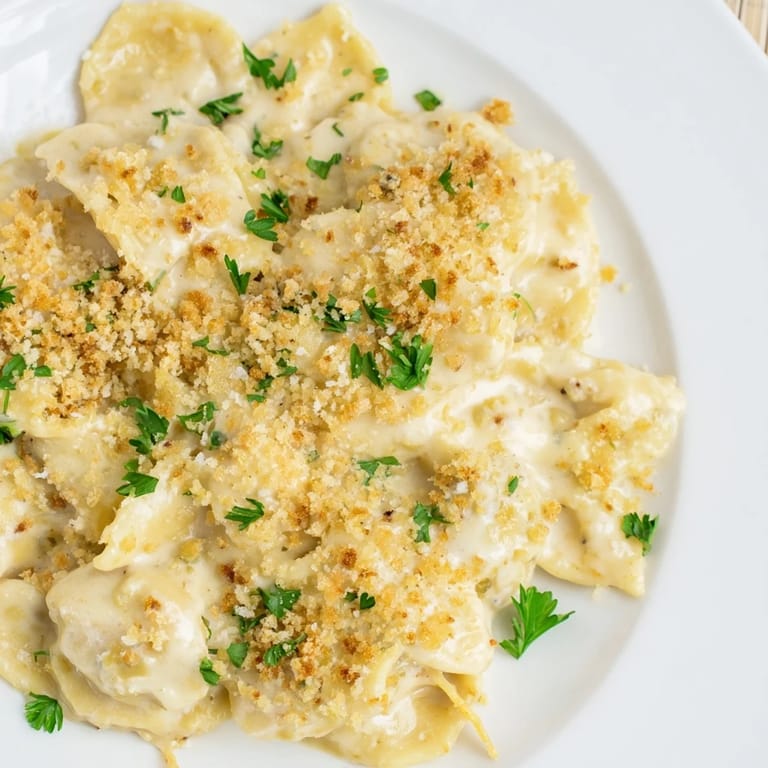
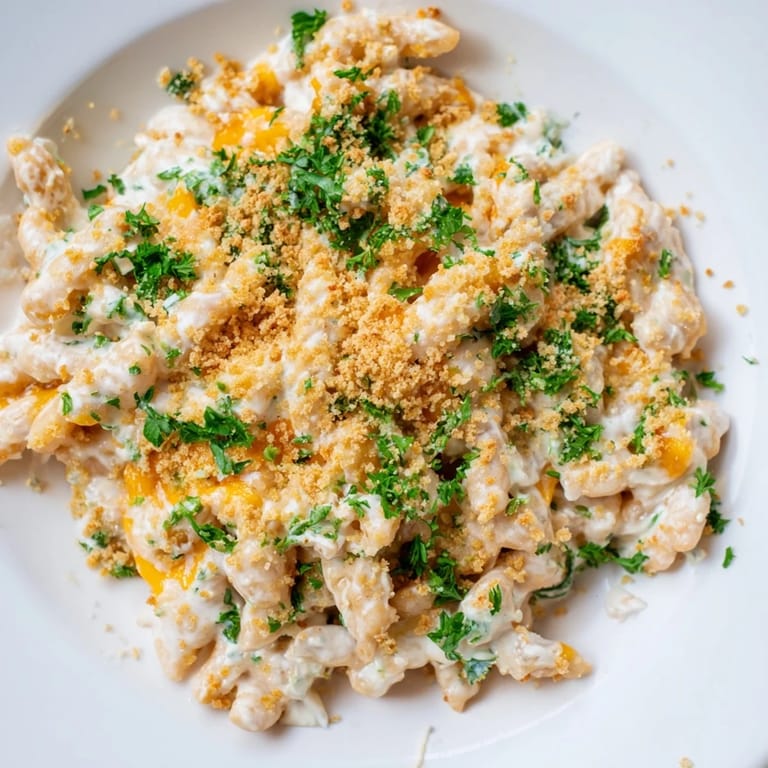
- For a textural contrast that feels fancy, transfer everything to a baking dish, sprinkle breadcrumbs on top, and run it under the broiler for 2 to 3 minutes until the crumbs turn golden brown and crunchy.
 Save
Save The thing about this recipe that got me was how it changed my relationship with cottage cheese. I used to see it as something medicinal, something you ate because it was healthy. Now it's just part of how I cook creamy, satisfying food that doesn't make me feel sluggish afterward.
Flavor Tweaks That Actually Matter
If you want to take this in a different direction, swap the sharp cheddar for Gruyère if you're feeling fancy, or Monterey Jack for something milder and more buttery. A pinch of cayenne pepper adds just enough heat to make people lean in and take another bite. I've also had luck adding a tiny bit of smoked paprika when I want the dish to feel more sophisticated.
Ways to Make It Even More of a Meal
One night I had leftover rotisserie chicken and stirred shredded pieces right into the mac and cheese—suddenly it felt like an actual dinner instead of a side dish. Steamed broccoli works just as well if you're going vegetarian, and the cheese sauce clings to the florets beautifully. You could also fold in some caramelized onions or sautéed mushrooms if you want vegetables that taste like a treat instead of an obligation.
Storage and Reheating
This keeps well in the fridge for about three days, and reheating is simple—just add a splash of milk and warm it gently on the stove over low heat, stirring often. It's also genuinely good cold straight from the container if you're eating it as a quick lunch the next day. The sauce stays creamy even when it cools because of how the cornstarch and cottage cheese work together.
- Store in an airtight container to keep the pasta from drying out and absorbing fridge flavors.
- When reheating, go low and slow so the sauce stays velvety instead of separating.
- If you're making it ahead for a meal prep situation, keep the breadcrumb topping separate until you're ready to eat.
 Save
Save What started as a way to use up an ingredient became something I actually crave now—proof that sometimes the best discoveries happen when you stop following recipes and just start experimenting with what you've got. Make this for yourself and for people you want to feed well.
Recipe Q&A Section
- → What type of pasta works best?
Use high-protein options like chickpea, lentil, or whole wheat pasta for added nutrition and texture.
- → Can I make the sauce dairy-free?
Swap milk for an unsweetened plant-based alternative and choose lactose-free or vegan cheeses if desired.
- → How is the sauce thickened?
Cornstarch or arrowroot powder in the blended sauce helps achieve a velvety, thick consistency when gently heated.
- → What optional toppings enhance this dish?
Whole wheat breadcrumbs broiled until golden add a delightful crispy texture and fresh parsley brings brightness.
- → Can I add extra protein sources?
Incorporate cooked chicken breast or steamed broccoli for added protein and variety.