 Save
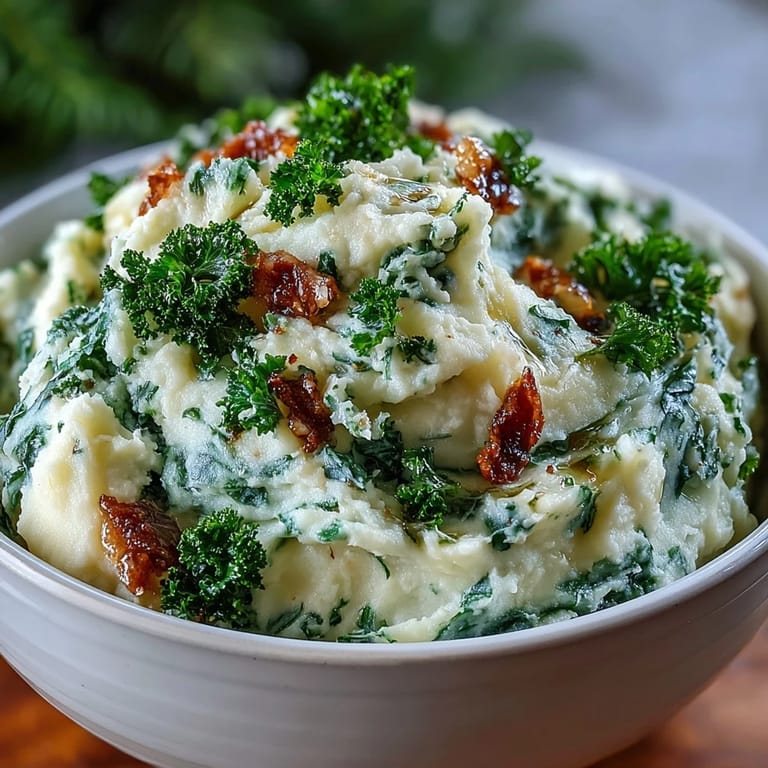
Save My neighbor brought over a plate of colcannon one gray Dublin afternoon, and I watched steam rise off those creamy potatoes studded with butter-soft leeks. The kale on top was absolutely crispy, catching the light in a way that made me lean in closer. She never wrote down the recipe, just said, "Keep it simple, let the vegetables speak," and handed me the plate with a knowing smile. That evening, I decided to make it my own, adding that crispy kale crown on top because sometimes the best dishes happen when you trust your instincts.
I made this for my sister's potluck dinner, and three people came back asking how I'd managed to make something so simple taste like I'd spent hours in the kitchen. The truth? I hadn't. The buttery warmth combined with that salty-crispy kale on top made everyone pause mid-conversation, fork in hand, savoring each bite like it was the first time they'd ever tasted potatoes.
Ingredients
- Yukon Gold or Russet potatoes (900 g / 2 lbs): These are starchy enough to become fluffy when mashed but hold their shape beautifully when cooked; Yukon Golds are slightly buttery on their own, which helps reduce the dairy you need to add.
- Unsalted butter (60 g / 4 tbsp): Unsalted lets you control the salt level completely, and the richness is essential here, so don't skimp or substitute with oil.
- Whole milk and heavy cream (120 ml / 1/2 cup milk and 60 ml / 1/4 cup cream): The combination creates that silky texture without being too heavy; warming them first prevents the mash from seizing up.
- Leeks (2 large, white and light green parts only): Leeks are milder and sweeter than onions when cooked gently, and that delicate flavor is what makes colcannon special rather than just regular mashed potatoes.
- Spring onions (3, finely sliced): These add a fresh bite at the end, splitting between the mash and the garnish so you get brightness in every forkful.
- Kale (1 small bunch, about 150 g / 5 oz): Roasting kale until it shatters transforms it into something crispy and almost smoky, a texture contrast that feels modern while honoring the traditional dish.
- Olive oil (2 tbsp): Use decent olive oil for the kale, as that's where its flavor really shines; the oil helps it crisp without burning.
- Salt and freshly ground black pepper: Taste as you go because salt needs to be built in layers, especially important when you're folding in the sautéed vegetables.
- Fresh parsley (2 tbsp, optional): A final green touch that adds visual appeal and a whisper of freshness that balances all that butter.
Tired of Takeout? 🥡
Get 10 meals you can make faster than delivery arrives. Seriously.
One email. No spam. Unsubscribe anytime.
Instructions
- Get the oven ready and start the kale:
- Preheat your oven to 200°C (400°F) first so it's hot and ready when you need it. Toss the kale with olive oil and a generous pinch of salt, spread it out on a baking tray in a single layer, and slide it in; you want those leaves to rustle and crackle as they cook, turning crispy but not charred.
- Roast until shattered:
- Stir the kale halfway through at around the 5 to 6 minute mark so it crisps evenly, then let it go for the full 10-12 minutes until the leaves feel paper-thin and brittle. Set it aside on a clean plate where it'll stay crispy even as everything else finishes cooking.
- Get potatoes cooking:
- Cut your peeled potatoes into roughly equal chunks so they cook evenly, place them in a large pot, and cover with cold salted water. Bring to a rolling boil, then lower the heat and let them simmer for 15-18 minutes; they're done when a fork slides through without resistance.
- Sauté the leeks gently:
- While potatoes are cooking, melt half your butter in a skillet over medium heat and add those thinly sliced leeks along with the spring onions. Cook for 6-8 minutes, stirring occasionally, until they're soft and sweet-smelling but haven't taken on any color; this gentle cooking is what makes them melt into the potatoes.
- Warm the dairy:
- Pour your milk and cream into a saucepan and heat it gently until it's just warm to the touch, not boiling. Warm dairy folds into potatoes more smoothly and keeps the mash silky rather than lumpy or dense.
- Drain and mash:
- Drain your cooked potatoes really well using a colander, shaking gently to get rid of excess water because that moisture is the enemy of fluffy mashed potatoes. Return them to the pot and mash with the remaining butter until mostly smooth.
- Add the cream gradually:
- Pour the warm milk and cream in slowly while continuing to mash, tasting as you go and adding more if you prefer a looser texture. Season generously with salt and freshly ground pepper, remembering that seasoning a mash is about balance, so add it gradually.
- Fold in the leeks:
- Add those soft, buttery leeks and spring onions to the mashed potatoes and fold gently to combine, keeping the texture light rather than overworking it. Taste once more and adjust salt or pepper as needed.
- Plate and crown with kale:
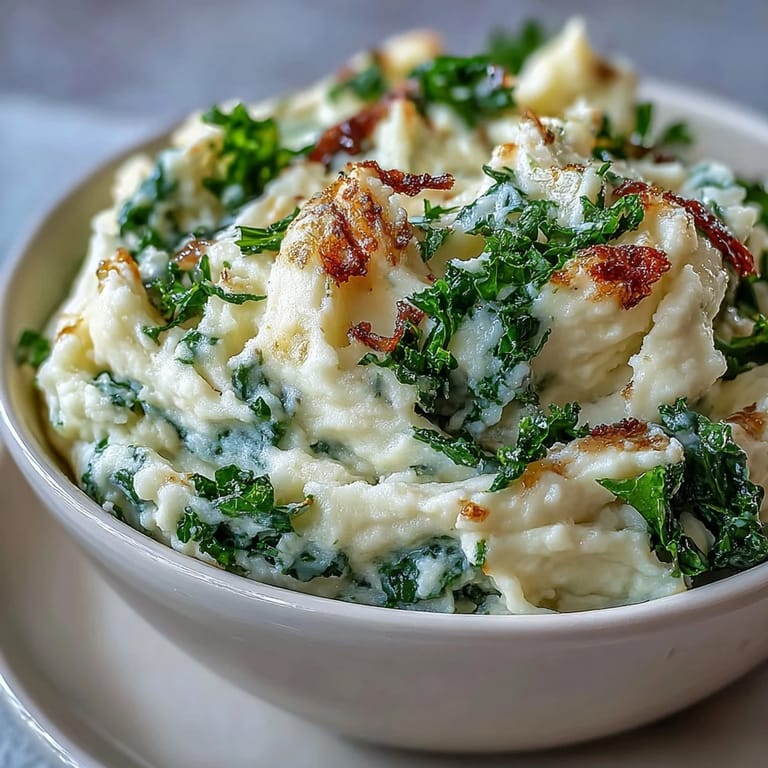
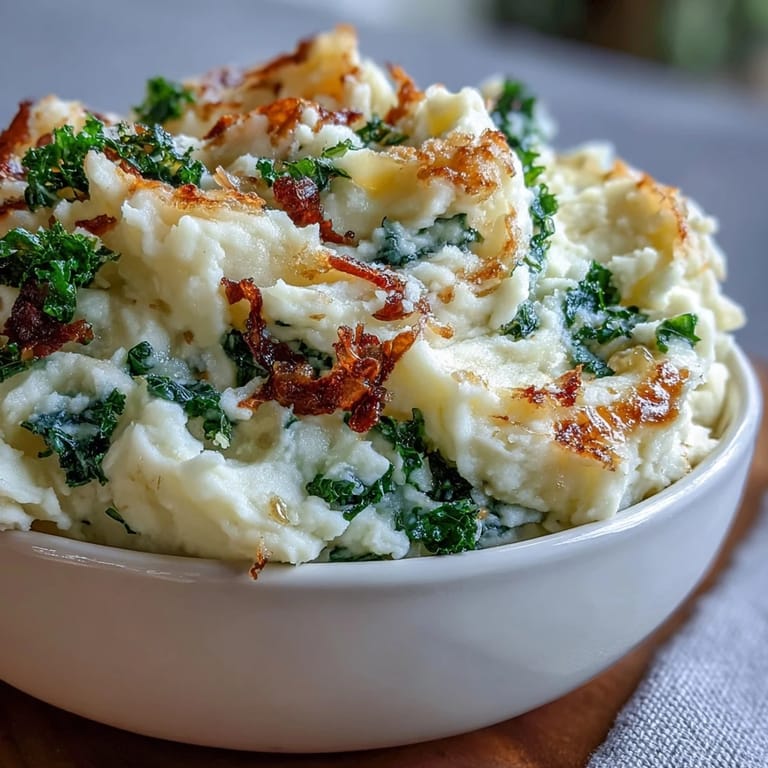
- Spoon the creamy mash into a serving bowl, arrange that crispy kale over the top so it catches the light, and scatter a little fresh parsley around if you have it. Serve immediately while the kale is still crispy and the potatoes are warm.
 Save
Save The moment I served this to my family and watched my father, who grew up on actual Irish colcannon, take a bite and pause, I knew I'd gotten something right. He didn't say much, just nodded and went for another fork full, which in our house means everything.
The Secret Behind the Texture
The difference between mashed potatoes that feel heavy and these that feel like clouds is about not overworking them and letting the butter and cream do their job rather than forcing them in. I learned this by accident when I was too lazy to mash thoroughly one evening, and the result was actually better than my previous careful, thorough attempts. Undermashing is your friend here; you're going for creamy with a bit of gentle texture, not a smooth paste.
Why Leeks Matter More Than You Think
Leeks become almost sweet and mellow when they're cooked gently in butter, completely different from the sharp bite of raw onions or even cooked regular onions. This gentleness is what makes traditional colcannon so comforting, because the vegetables don't compete with the potatoes, they support them. That subtle flavor is why you rinse them well before slicing and cook them low and slow rather than trying to caramelize them quickly.
Making It Your Own
This is a base that invites you to play with it once you've made it a few times and know how it should taste and feel. I've added crispy bacon, fresh thyme, and even a bit of smoked paprika on different occasions, and each time it feels like a different but equally valid version of this dish. The beauty of colcannon is that it's deeply rooted in tradition but flexible enough to welcome your own ideas without losing its soul.
- Try stirring in some sautéed mushrooms or crispy bacon bits for extra flavor and texture if you want to take it further.
- A fried egg on top turns this into a light main course rather than just a side dish, especially for breakfast or lunch.
- Save any leftovers and pan-fry them the next day as crispy patties, which are somehow even better than the first serving.
 Save
Save This dish has become my answer to needing something that feels special but doesn't require any fuss, which is the best kind of recipe to have in your collection. Make it for people you want to feed well, and watch how something this simple can turn a regular dinner into a moment worth remembering.
Recipe Q&A Section
- → What type of potatoes work best for this dish?
Yukon Gold or Russet potatoes are ideal for achieving a creamy and fluffy texture perfect for mashing.
- → How do you get the kale crispy?
Toss kale leaves with olive oil and salt, then roast in a hot oven at 200°C (400°F) for 10-12 minutes, stirring halfway through.
- → Can I substitute the dairy ingredients?
Yes, plant-based butter and milk can be used to create a dairy-free version while maintaining creaminess.
- → Should the leeks and spring onions be browned?
They should be gently sautéed until soft and fragrant but not browned to preserve their delicate sweetness.
- → How can I add extra flavor to this dish?
Adding cooked bacon or pancetta introduces a smoky note that complements the creamy potatoes and savory kale.
- → Is this dish suitable for gluten-free diets?
Yes, all ingredients are naturally gluten-free, making this a safe choice for gluten-sensitive diets.