 Save
Save There's something almost magical about discovering you can make a real, satisfying pasta dinner in a bowl without heating up your whole kitchen. I stumbled onto microwave pasta during a sweltering summer afternoon when my roommate was hogging the stove, and I was too hungry to wait. Five minutes later, I had a steaming bowl of perfectly cooked penne that tasted just as good as anything I'd made the traditional way. It felt like I'd unlocked a secret, the kind of thing that changes how you think about weeknight cooking.
I've made this for friends who swore they could only eat pasta if it was made "properly," and watching their skepticism turn into surprise when they tasted it was worth every bit of the awkward silence while we waited for the microwave to beep. One of them actually asked for the recipe, which felt like winning an award for something I'd accidentally invented out of desperation.
Ingredients
- Pasta (75 g dried): Penne, fusilli, or elbow macaroni all work beautifully because their shapes hold onto sauce and cook evenly in the microwave—avoid long noodles like spaghetti, which get tangled and uneven.
- Water (500 ml): The exact amount matters; too little and you'll end up with crunchy pasta, too much and it turns mushy and starchy.
- Salt (1/2 tsp): This seasons the pasta itself, not just the water, so don't skip it even if you're adding sauce later.
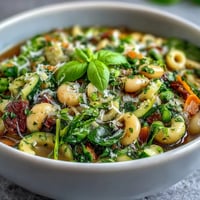
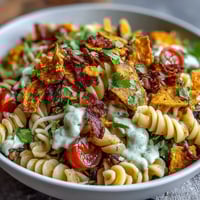
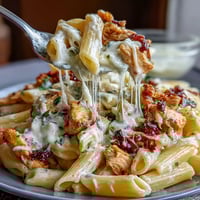
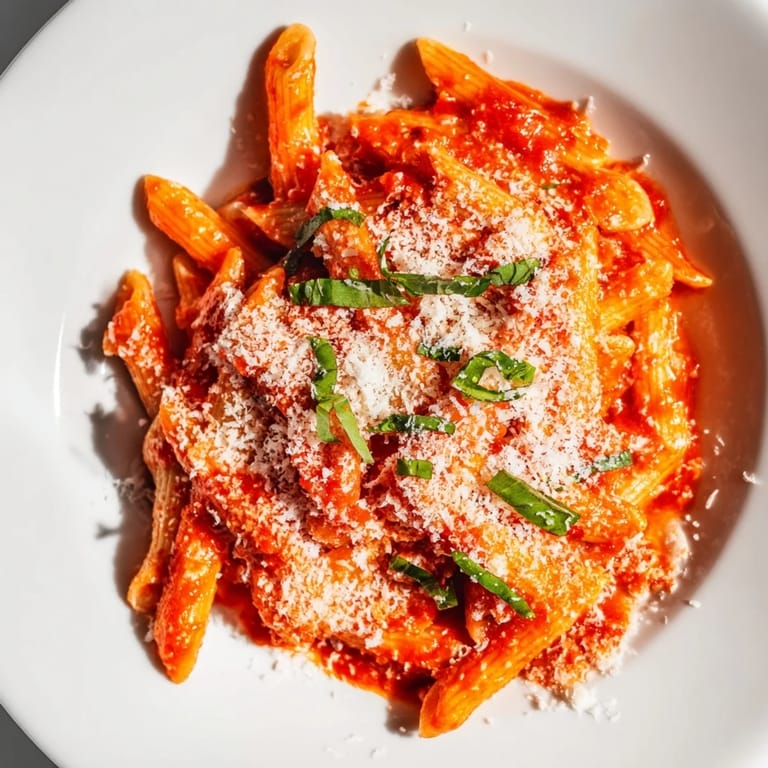
- Sauce (100 ml): Marinara, pesto, or Alfredo all work—use whatever you genuinely want to eat, because the pasta will be good enough to make it shine.
- Parmesan cheese & fresh herbs: Optional but honestly transformative; they turn a quick fix into something that tastes intentional.
Tired of Takeout? 🥡
Get 10 meals you can make faster than delivery arrives. Seriously.
One email. No spam. Unsubscribe anytime.
Instructions
- Gather and measure:
- Get a large microwave-safe bowl and measure out your pasta and water—this takes 90 seconds and keeps you from improvising and regretting it later.
- Submerge the pasta:
- Add the dried pasta to the bowl, pour in the water and salt, and make sure every piece is completely covered. If you're worried about it, add a splash more water.
- First microwave burst:
- Microwave uncovered on high for 4 minutes straight, then give it a good stir with a fork, breaking up any clumps that are sticking together.
- Continue cooking in intervals:
- Microwave for 2–3 minutes at a time, stirring after each interval, until the pasta is soft but still has a slight bite to it (8–12 minutes total, depending on your microwave's mood). You'll know it's close when the water looks milky.
- Check for doneness:
- Fish out a piece and taste it—it should be tender but not falling apart. If it's still too firm, give it another minute or two.
- Drain carefully:
- Using a fine-mesh sieve works best, but if you don't have one, carefully tilt the bowl over the sink with a fork or spoon held against the pasta to block it from sliding out with the water. The bowl will be genuinely hot, so use a kitchen towel.
- Sauce and finish:
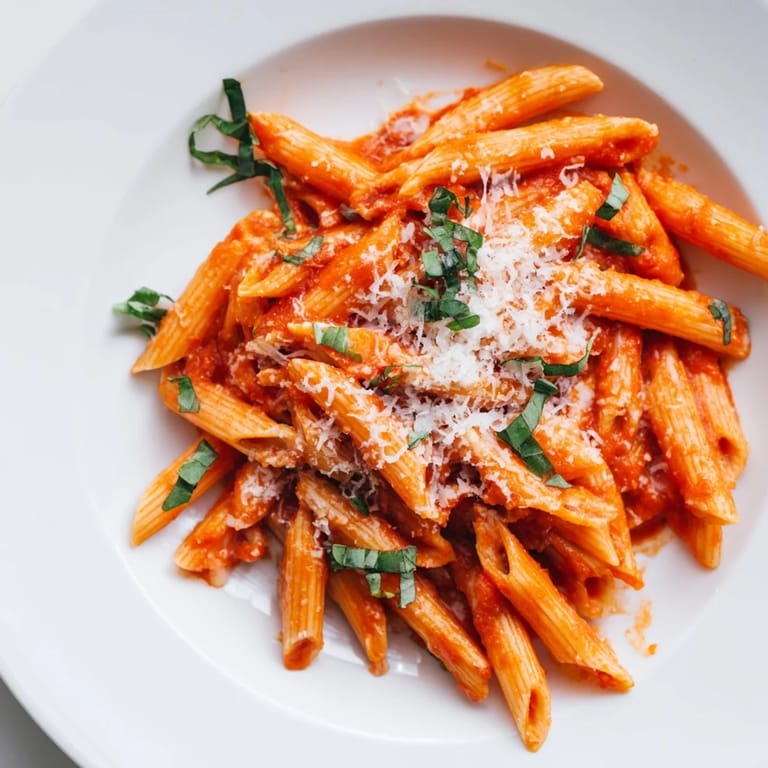
- While the pasta is still steaming, add your sauce and stir it in quickly so it coats everything. Top with Parmesan and fresh herbs if you have them, taste it, and season with salt and pepper.
 Save
Save There was a night when a friend showed up unannounced, hungry and tired from a terrible day at work, and this bowl of pasta with garlic marinara became the thing that made them feel seen and cared for—something warm and real in like 12 minutes. That's when I realized it wasn't about the convenience anymore; it was about being able to feed someone when they needed it.
The Water-to-Pasta Ratio Question
The key to not ending up with either crunchy or overcooked pasta is getting comfortable with how much liquid the pasta needs as it cooks down. Watch what happens in the first 4 minutes—the water will start looking cloudy and turn a bit starchy, which is exactly what you want. If it looks like the pasta is absorbing water faster than usual, you might need to add a tiny bit more halfway through. Every microwave is different, and honestly, once you've made this twice, you'll have a feel for it.
Sauce Choices and What Works Best
I've tried this with everything from jarred marinara to homemade pesto to a can of chickpeas mixed into cream sauce, and all of them have their moment. Marinara is the easiest and most forgiving—you can't really go wrong. Pesto feels fancy but dries out a tiny bit, so stir it in with an extra splash of pasta water if you need to. Cream-based sauces coat everything beautifully and feel indulgent for such a quick meal. Pick whatever sounds good right now, because that's the whole point of this.
Ways to Make It Fewer Ingredients
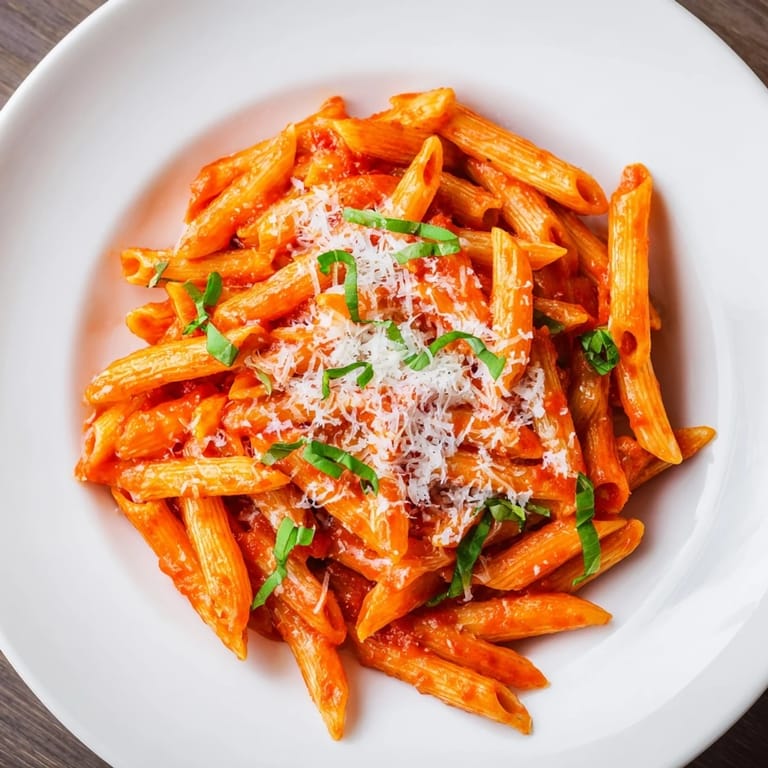
On nights when you're really low on options, this pasta works with just butter, salt, and whatever cheese or herbs you can find in the back of your fridge. I've made versions that were just olive oil and garlic, or a can of diced tomatoes cooked right in the bowl during the last few minutes. The beauty is that the pasta itself is neutral enough to shine with almost nothing.
- Toss in frozen peas or spinach in the last 2 minutes for green vegetables that steam-cook right in.
- Shredded rotisserie chicken or canned chickpeas add protein and substance without requiring any cooking.
- A pinch of red pepper flakes, a squeeze of lemon, or a handful of fresh herbs transform it from plain to intentional.
 Save
Save This is the kind of recipe that proves you don't need much to make something that tastes good and feels nourishing. Every time you make it, you'll get a little faster, a little more confident, and that's exactly how cooking should feel.
Recipe Q&A Section
- → How long does it take to cook pasta in the microwave?
Cooking time ranges from 8 to 12 minutes depending on microwave power and pasta type. Stir every 2-3 minutes to ensure even cooking.
- → Can I use different pasta shapes with this method?
Yes, penne, fusilli, elbow macaroni, and similar dried pasta shapes work well when cooked in a microwave-safe bowl with sufficient water.
- → How should I drain the pasta after microwaving?
Carefully drain warm water using a fine-mesh sieve or tilt the bowl while holding back pasta with a spoon or fork to avoid spills.
- → Can I add vegetables or proteins during cooking?
Frozen peas or spinach can be added in the last 2 minutes of cooking. Shredded cooked chicken or canned chickpeas can be mixed in after cooking for extra protein.
- → What sauces pair well with this pasta method?
Marinara, pesto, and Alfredo sauces complement the pasta nicely. Garnishing with Parmesan and fresh herbs enhances flavor.
- → Is this method suitable for gluten-free pasta?
Yes, but cooking times may vary. Adjust accordingly to achieve desired texture.