 Save
Save I'll never forget the moment my niece walked into the kitchen and saw this monarch butterfly platter for the first time. Her eyes lit up like I'd just created edible art, and that's exactly what drew me to this recipe. It happened during a garden-themed birthday party last spring, when I was searching for something that looked as beautiful as it tasted. The idea of arranging fresh vegetables and cheese into the iconic orange and black pattern of a monarch butterfly felt like the perfect marriage of creativity and simplicity.
I remember standing back and watching my friends navigate around the platter at that party, each person hesitating before taking a piece because they didn't want to ruin the design. Then someone laughed and said, 'It's too pretty to eat,' but they did anyway. That's when I realized this wasn't just a platter—it was a conversation starter, a moment of joy before the meal even truly began.
Ingredients
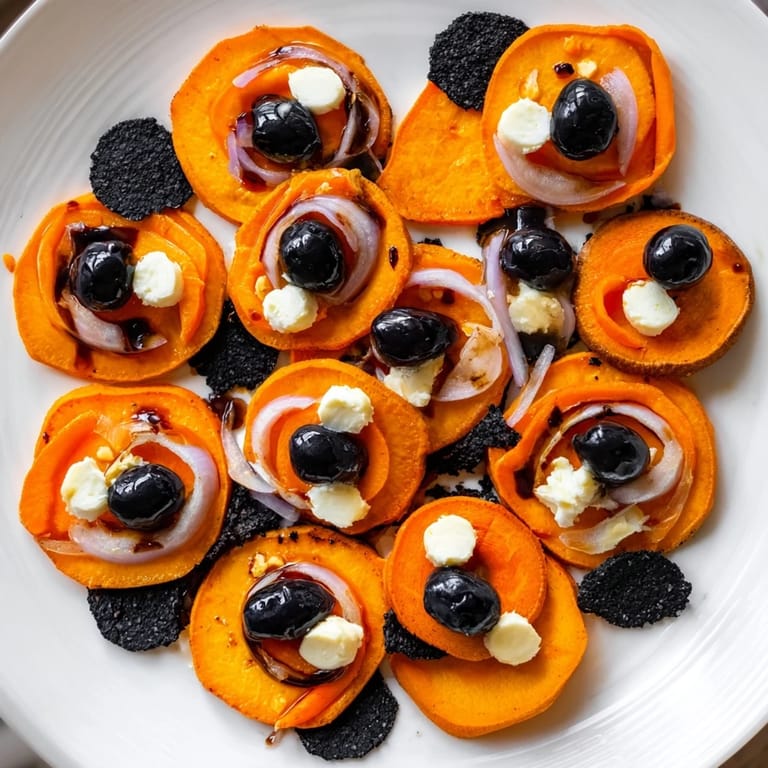
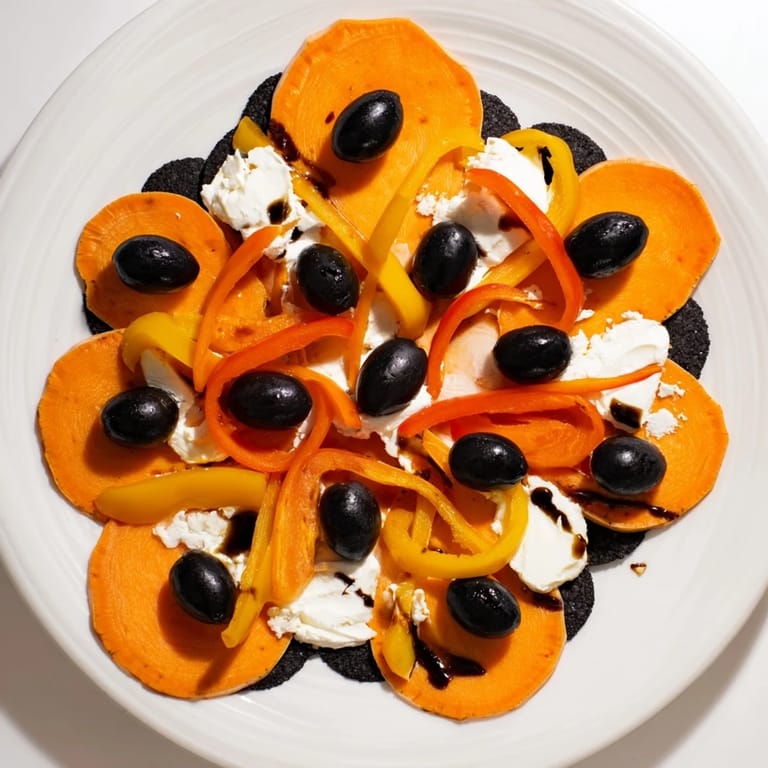
- Sweet potato, thinly sliced and roasted: This becomes the warm, honeyed foundation of your upper wings. Roasting brings out natural sweetness and creates a tender texture that contrasts beautifully with the crisp elements. I learned to slice them just thin enough to see light through them—it makes them easier to arrange and more delicate.
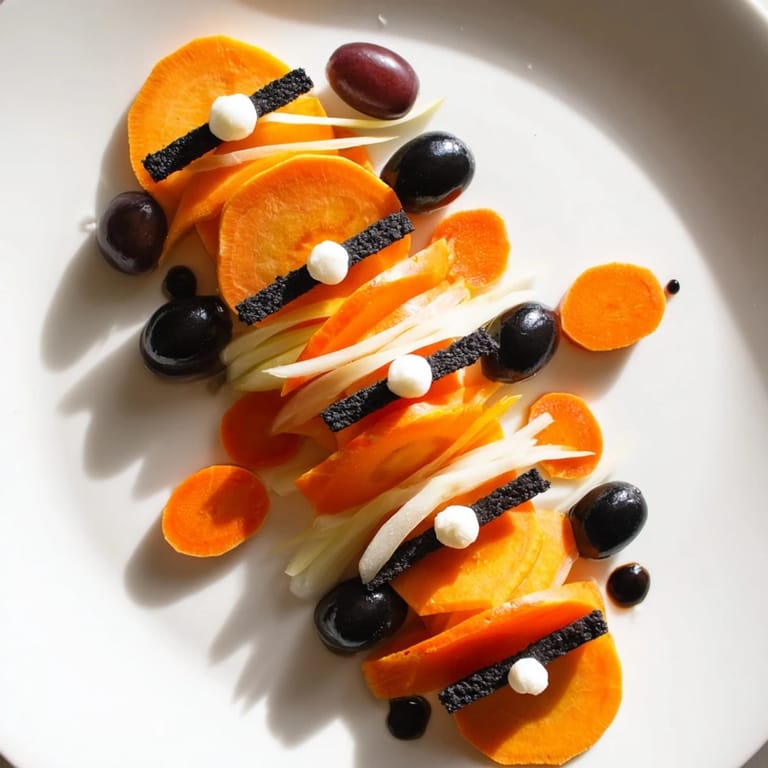
- Carrot, sliced into thin rounds: These bright orange circles are your wing's geometric foundation. The sweetness echoes the sweet potato while the firm texture holds up throughout serving. Raw is perfect here—no cooking needed.
- Orange bell pepper, sliced into strips: This is your color anchor and adds a fresh, slightly crisp bite. The natural sweetness balances the savory cheese and olives without any cooking required.
- Cheddar cheese, cubed: The richness here grounds all the bright vegetables. I prefer aged cheddar for its deeper flavor, which stands up to the more delicate produce around it.
- Black olives, pitted and halved: These create the dramatic black edges and spots that make a monarch unmistakable. Their briny intensity is essential—don't skip them or use mild ones.
- Black grapes, halved: These add elegant rounds of deep color and a juicy sweetness that surprises people. They're what makes guests say, 'Oh, there's fruit in here too?'
- Black sesame or black rice crackers: The textural element that gives your bite real crunch and keeps things interesting. Black sesame has a nutty depth that feels more sophisticated than plain crackers.
- Balsamic glaze: Just a few delicate drizzles here—think of it as the artist's final signature. It deepens the visual contrast and adds a sophisticated bittersweet note.
- Cucumber, sliced lengthwise into sticks: This pale, refreshing center line becomes your butterfly's body. Its mild flavor and cool crispness prevent the platter from feeling too heavy.
- Cream cheese, softened: This is your edible glue and your canvas for details. Softened to room temperature, it becomes a tool for creating those authentic white spots along the wing edges. A small spoon makes perfect dots.
- Fresh dill or microgreens: These whimsical antennae complete the transformation. They add a final touch of delicate greenery and a hint of herb flavor. Dill feels especially fitting since monarch butterflies love wild carrot and fennel plants.
Tired of Takeout? 🥡
Get 10 meals you can make faster than delivery arrives. Seriously.
One email. No spam. Unsubscribe anytime.
Instructions
- Start with a clean canvas:
- Gather your large platter and arrange it on your work surface where you can step back and see the whole composition. This is your stage. If you're roasting sweet potato, do that first and let it cool completely—nobody wants warm vegetables sliding around.
- Create the butterfly's spine:
- Lay your cucumber sticks down the center lengthwise, creating that satisfying straight line. This is your anchor point—everything else radiates from here. If your cucumber seems watery, pat it with a paper towel first.
- Build the upper wings with orange:
- Starting at the top of your cucumber line, arrange sweet potato slices, carrot rounds, and bell pepper strips in a fanned pattern, moving outward and upward on both sides. Think symmetry—if you place something on the left, mirror it on the right. This is where the magic happens and where your eye naturally wants to balance the composition.
- Mirror the lower wings:
- Repeat the orange arrangement below the cucumber body, creating matching wing sections. Step back now. Does it feel balanced? Adjust as needed. Remember, nature isn't perfectly symmetrical, so yours doesn't need to be either.
- Add the dramatic black elements:
- This is where your olives, grapes, and crackers come in. Arrange them along the edges of your orange sections and fill in the middle spaces, creating those signature black spots and patterns. Let the olives form a darker frame, and scatter the grapes throughout for depth and color variation.
- Dot the details with cream cheese:
- Using a small spoon, place tiny amounts of softened cream cheese in strategic spots—especially along the black edges of the wings. These white dots are what give it that authentic monarch feel. Don't overdo it; think of them as highlights.
- Add the finishing touches:
- If you're using balsamic glaze, drizzle it very sparingly in thin lines to enhance the wing patterns. Less is always more here. Top the cucumber body with dill or microgreens for those delicate antennae, positioning them upward and slightly splayed.
- Serve with intention:
- Present it to your guests and watch their faces. Encourage them to appreciate the design before diving in, and remind them that they can build their own flavor combinations as they eat. This is both sustenance and art.
 Save
Save What surprised me most after that first party was when people told me they'd recreated this platter at home. One friend said she made it for her daughter's school project about insects, and suddenly dinner was a lesson in symmetry and nature. That's when this recipe stopped being just appetizer and became a vehicle for making memories—whether that's a party, a themed dinner, or a quiet moment of creating something beautiful together in your kitchen.
Making It Your Own
The beauty of this platter is its flexibility. I've experimented with roasted butternut squash instead of sweet potato—it's slightly sweeter and has a creamier texture that some people prefer. Orange cherry tomatoes work wonderfully too, especially if you halve them and let the cut sides face outward for maximum impact. For purple accents, thin slices of roasted beets or purple carrot create stunning contrast and add an earthy depth that surprises people. Don't be afraid to swap out the crackers for toasted pita chips or even thin slices of cured orange citrus fruit if you want to keep everything raw and fresh.
Pairing and Serving Suggestions
This platter deserves company that complements its brightness. A crisp white wine like Sauvignon Blanc or Pinot Grigio feels natural alongside it, or offer sparkling water infused with lemon and fresh mint for a non-alcoholic option. I've also served it at brunches with a side of hummus or a light herb dip—never as a requirement, but as an optional flavor bridge for those who want it. The key is letting this platter shine as the star of the appetizer spread. Pair it with heavier options if you must, but give it prime real estate on your table where it can be admired.
Storage and Make-Ahead Tips
Ideally, assemble this within an hour of serving to keep everything at its crispest. However, you can prep all your components the night before—roast and cool your sweet potato, slice all your vegetables, and store them separately in airtight containers. On party day, simply assemble the platter 30-45 minutes before guests arrive. If your kitchen is warm, keep the finished platter in a cool spot away from direct sunlight. The cream cheese dots can be placed just before serving to prevent them from melting, and fresh herbs should go on last for maximum vibrancy.
- Don't dress this platter more than an hour before serving—vegetables release water and crackers absorb moisture
- If any elements start to look tired, simply swap them out for fresh pieces from your prep containers
- The assembled platter makes a stunning centerpiece for photos, so don't feel rushed—Instagram it first if you like
 Save
Save Every time I make this platter, I'm reminded that the best meals feed more than just our stomachs—they feed our sense of wonder and connection. This butterfly has a way of doing that, turning simple, beautiful ingredients into something that makes people pause and smile before they eat. I hope it does the same magic in your kitchen.
Recipe Q&A Section
- → How do I prepare the sweet potato slices?
Thinly slice the sweet potato and roast until tender and lightly caramelized to bring out natural sweetness and maintain a firm texture.
- → Can I substitute any orange elements?
Yes, roasted butternut squash or orange cherry tomatoes are excellent alternatives for variety and color.
- → What type of crackers work best for the black elements?
Black sesame or black rice crackers provide a crunchy texture and visually complement the darker tones of the olives and grapes.
- → How do I create the white dots along the wings?
Use small dots of softened cream cheese applied with a spoon to simulate the butterfly’s characteristic white spots.
- → Is this platter suitable for gluten-free diets?
Yes, if gluten-free crackers are used and allergen information is checked for cheeses and other ingredients.