 Save
Save There's something about the smell of roasting parsnips that fills a kitchen with pure comfort, like autumn decided to visit in the middle of winter. I discovered this soup on a cold afternoon when I had a bag of parsnips lingering in my vegetable drawer and absolutely no inspiration to use them in anything traditional. What started as a quiet experiment turned into something I now make whenever I need to remind myself that simple ingredients and a little patience can create something genuinely nourishing. The herbs at the end are what make it sing, transforming what could be a plain soup into something fresh and alive. It's become my go-to when friends drop by and I want to serve something warm without fussing for hours.
I made this for my sister when she was recovering from being under the weather, and watching her take that first spoonful and actually smile was worth every minute of chopping. She asked for the recipe before she'd even finished the bowl, which tells you something about how genuinely comforting this soup is. Since then, it's become part of my winter rotation, the thing I reach for when I want to feel like I'm taking care of people without making it complicated.
Ingredients
- Parsnips, 800 g, peeled and cut into chunks: These are the star, and roasting them brings out a natural sweetness that makes the whole soup feel creamy even with minimal dairy.
- Medium onion, 1, chopped: This builds the base and becomes completely soft during cooking, adding gentle depth.
- Garlic cloves, 2, peeled: Just enough to whisper in the background without overpowering the delicate parsnip flavor.
- Medium potato, 1, peeled and diced: This adds body and helps create that naturally thick, luxurious texture when blended.
- Vegetable stock, 1 L: Use a good quality one if you can, as it becomes the backbone of flavor throughout the soup.
- Whole milk or plant-based milk, 200 ml: Added at the end to soften and round out the roasted vegetable flavors.
- Olive oil, 2 tbsp: Essential for roasting, as it helps the vegetables caramelize and develop that golden, tender quality.
- Bay leaf, 1: Adds a subtle aromatic note during simmering that you'll notice when it's gone.
- Fresh thyme leaves, 1 tsp (or ½ tsp dried): Complements the earthiness of the parsnips beautifully.
- Ground white pepper, ½ tsp: Milder than black pepper and keeps the soup looking pale and elegant.
- Salt to taste: Always add gradually at the end when you can actually taste what you're seasoning.
- Fresh parsley, 2 tbsp, chopped: Brings a bright, fresh finish that cuts through the richness.
- Fresh chives, 2 tbsp, chopped: These add a gentle onion note and a delicate texture.
- Fresh dill, 1 tbsp, chopped (optional): If you include it, it adds an unexpected herbaceous lift that some people find transformative.
Tired of Takeout? 🥡
Get 10 meals you can make faster than delivery arrives. Seriously.
One email. No spam. Unsubscribe anytime.
Instructions
- Get your oven ready and prep the vegetables:
- Preheat to 200°C (400°F) and while it's heating, peel your parsnips and cut them into rough chunks about the size of walnuts. Chop the onion into similar-sized pieces and leave the garlic cloves whole, which makes them easier to handle and they'll soften beautifully as they roast.
- Roast until golden and tender:
- Toss everything with olive oil and spread on a baking tray in a single layer, not crowded. Roast for 25 to 30 minutes, turning halfway through, until the edges turn golden and the vegetables feel completely soft when you poke them with a fork.
- Build the soup foundation:
- Transfer the roasted vegetables to a large saucepan and add your diced potato, bay leaf, thyme, white pepper, and the full liter of vegetable stock. Bring it to a boil, then lower the heat and let it simmer gently for about 15 minutes until the potato pieces are completely soft and starting to break apart slightly.
- Blend to silky smoothness:
- Remove and discard the bay leaf, then blend everything using either a blender or an immersion blender until it's completely smooth with no graininess remaining. This is where the soup transforms from a collection of ingredients into something luxurious.
- Finish with cream and herbs:
- Pour the blended soup back into the pan, stir in the milk, and gently warm it through over medium heat without letting it boil. Taste and adjust the salt, then stir in your fresh parsley, chives, and dill if you're using it, which should go in just before serving so they stay vibrant.
- Serve with love:
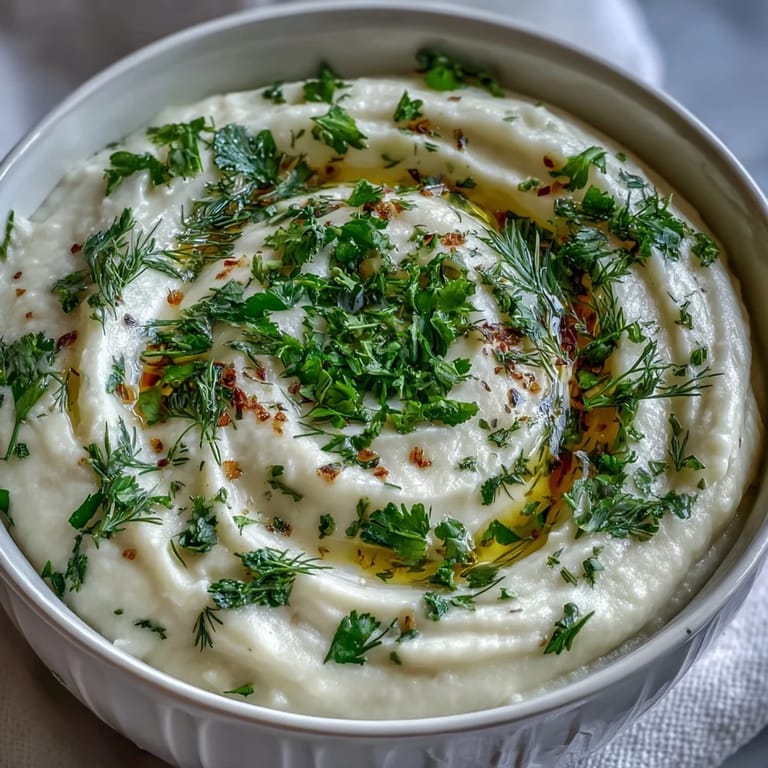
- Ladle into bowls and top with a few extra herb leaves and a small drizzle of olive oil or cream if you like, which looks beautiful and adds a finishing touch.
 Save
Save What surprised me most was how something so simple could feel like such a treat, and how often people ask if there's cream in it when there's barely any at all. The roasted parsnips do the heavy lifting, and the fresh herbs at the end make you feel like you've done something special for yourself or whoever you're serving it to.
The Magic of Roasting Root Vegetables
I learned the hard way that boiling parsnips creates a pale, watery soup that tastes like you're eating something healthy but not necessarily something you want to eat. Roasting changes everything by bringing out natural sugars and creating caramelized edges that add complexity even when your ingredient list is short. The color alone goes from dull cream to this warm golden hue that makes people excited to eat it before they even taste it.
Why Fresh Herbs Make the Difference
Adding the herbs right at the end keeps them tasting bright and present instead of wilted and tired, which is a small thing that somehow makes a huge difference. I've made this soup with dried herbs throughout, and while it's perfectly respectable, there's a moment of vitality when you stir in fresh parsley and chives that reminds you why people get excited about cooking. It's the moment when a warm, comforting soup becomes something that feels alive on your palate.
Serving Suggestions and Storage
This soup keeps beautifully in the refrigerator for up to four days, and it actually tastes better the next day when the flavors have settled and mingled together quietly overnight. You can also freeze it before adding the milk and herbs, then reheat gently and finish with fresh herbs whenever you need something warm and grounding.
- Serve alongside crusty bread for soaking up every last drop, or with a simple green salad if you want something lighter.
- A small handful of croutons adds texture and catches people pleasantly off guard if they're expecting something purely smooth.
- A drizzle of good quality olive oil or a small dollop of sour cream makes it feel more restaurant-like without requiring any extra effort.
 Save
Save This soup has become my quiet kitchen answer to wanting to feel nourished and to give that feeling to the people I care about. It's proof that you don't need a long ingredient list or complicated techniques to create something genuinely comforting and delicious.
Recipe Q&A Section
- → Can I freeze this soup?
Yes, this freezes beautifully for up to 3 months. Cool completely before transferring to airtight containers. Thaw overnight in the refrigerator and reheat gently.
- → What herbs work best?
Parsley, chives, and dill create a balanced flavor profile. You can substitute tarragon for dill or add fresh basil for a different twist.
- → How do I make it vegan?
Simply use unsweetened plant-based milk instead of dairy milk and skip the cream garnish. The soup remains just as creamy and delicious.
- → Can I use other root vegetables?
Absolutely. Try substituting half the parsnips with carrots, celery root, or sweet potato for different flavor variations while keeping the method the same.
- → Why roast the vegetables first?
Roasting caramelizes the natural sugars in parsnips, creating deeper flavor and sweetness. This extra step makes the soup more complex than simply boiling everything together.
- → How thin or thick should the consistency be?
The soup should coat the back of a spoon. If too thick, add more stock or milk. For thinner consistency, blend in additional liquid until you reach your preferred texture.