 Save
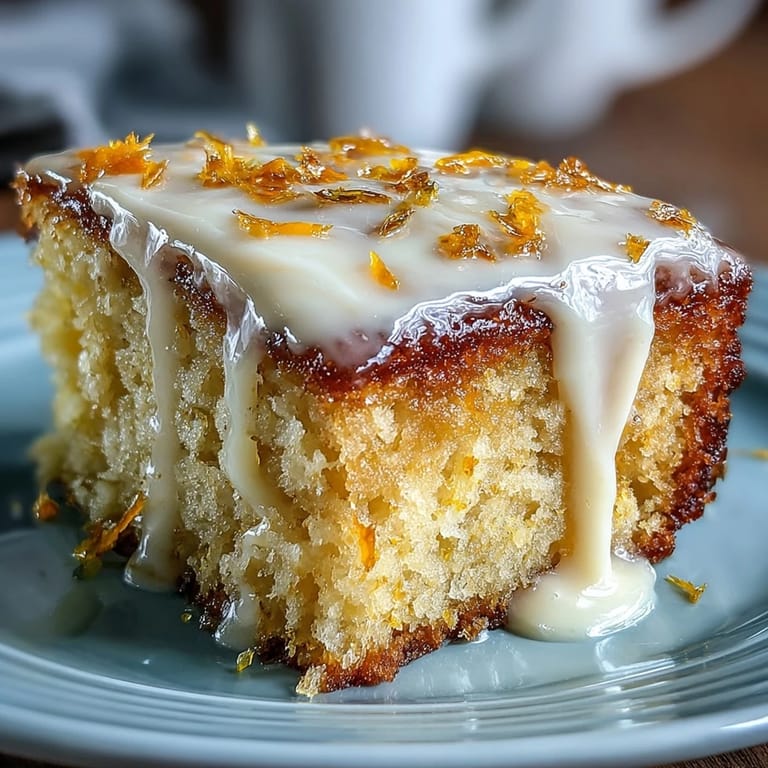
Save The afternoon light was slanting through my kitchen window when I pulled this cake from the oven, and the whole room smelled like a citrus grove in winter. I'd bought blood oranges on impulse at the market, drawn to their deep crimson flesh, and wasn't sure what to do with them until I remembered the half-tub of Greek yogurt sitting in my fridge. What started as improvisation turned into one of those happy accidents that you write down immediately before you forget. The cake came out golden on top, tender in the middle, with that unmistakable perfume of orange zest clinging to the air.
I baked this the first time for a friend who'd just moved into a new apartment and needed something cheerful to christen her tiny kitchen table. We ate it with tea while she unpacked boxes, and she kept saying it tasted like sunshine. Since then, it's become my go-to whenever I want to bring something that feels special but doesn't require overthinking. The blood oranges make it look fancy, but really, it's just a simple loaf cake with a little extra charm.
Ingredients
- All-purpose flour: The backbone of the crumb, measured correctly by spooning it into the cup and leveling off, never scooping directly from the bag.
- Baking powder: Make sure it's fresh or the cake won't rise properly, I learned this after a flat, sad loaf once.
- Salt: Just a pinch to wake up the sweetness and deepen the citrus notes.
- Plain Greek yogurt: Full-fat works best for richness, but low-fat will do if that's what you have on hand.
- Granulated sugar: Whisked with the yogurt until it dissolves and turns glossy, this is where the texture begins.
- Large eggs: Room temperature eggs blend more smoothly and create a lighter batter.
- Blood orange zest: The real star, use a microplane to avoid the bitter white pith underneath.
- Blood orange juice: Freshly squeezed is a must, bottled juice just doesn't have the same floral punch.
- Vanilla extract: A subtle background note that rounds out the citrus without competing.
- Coconut oil: Melted and cooled slightly so it doesn't scramble the eggs, it adds a whisper of tropical sweetness.
- Powdered sugar: Sifted for the icing so you don't end up with lumps in the glaze.
Tired of Takeout? 🥡
Get 10 meals you can make faster than delivery arrives. Seriously.
One email. No spam. Unsubscribe anytime.
Instructions
- Get the oven ready:
- Preheat to 350°F and prep your loaf pan with butter and a dusting of flour, or use parchment for easy release. This step matters more than you'd think.
- Combine the dry ingredients:
- Whisk flour, baking powder, and salt together in a medium bowl and set it aside while you build the wet base.
- Whisk yogurt and sugar:
- In a large bowl, whisk the yogurt and sugar until smooth and slightly glossy, this takes about a minute of steady whisking.
- Add eggs and citrus:
- Whisk in eggs one at a time, then stir in the blood orange zest, juice, and vanilla until everything smells bright and tangy.
- Fold in the dry ingredients:
- Gently fold the flour mixture into the wet ingredients just until no streaks remain, overmixing will make the cake tough.
- Stir in the oil:
- Fold the melted coconut oil in gently, it should disappear into the batter without much effort.
- Fill the pan:
- Pour the batter into your prepared loaf pan and smooth the top with a spatula so it bakes evenly.
- Bake until golden:
- Slide it into the oven for 50 minutes, checking with a toothpick at the center, it should come out clean or with just a crumb or two.
- Cool in stages:
- Let the cake rest in the pan for 10 minutes, then turn it out onto a wire rack to cool completely before icing.
- Make the icing:
- Whisk powdered sugar, blood orange juice, and zest until smooth and pourable, it should ribbon off the whisk.
- Drizzle and set:
- Once the cake is cool, drizzle the icing over the top and let it set for at least 20 minutes before slicing.
 Save
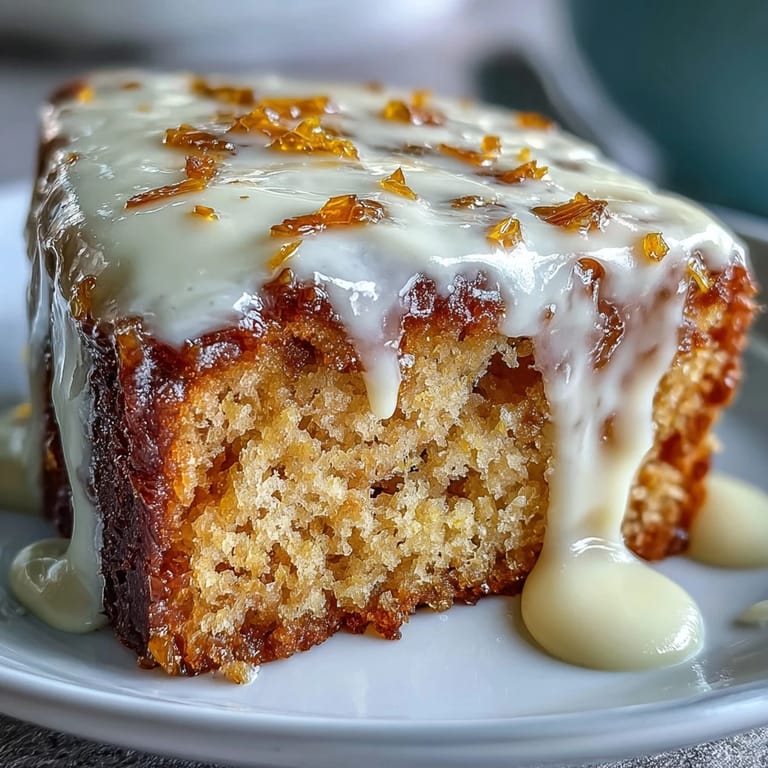
Save One winter morning I sliced into this cake still warm from the oven, couldn't wait, and the crumb was so tender it practically melted on my tongue. The blood orange icing hadn't set yet, so it pooled into the slice like a sweet glaze, and I stood at the counter eating it with my fingers, no plate, no shame. That's when I knew this wasn't just a recipe, it was the kind of cake that makes you slow down and pay attention. It's become my quiet indulgence, the one I bake when I need the kitchen to feel like a refuge.
Choosing Your Blood Oranges
Look for blood oranges that feel heavy for their size and have thin, smooth skin without soft spots. The season runs from December through April, so that's when you'll find the best flavor and color. If you can't find them, regular navel or Cara Cara oranges will work, though you'll lose that deep ruby hue and slight berry undertone. I like to zest them first, then juice, so nothing goes to waste. Sometimes the flesh isn't as red as you expect, but the flavor is still there, trust your nose more than your eyes.
Storing and Serving
This cake keeps beautifully at room temperature for up to two days if you cover it loosely with foil or a clean towel. For longer storage, wrap it tightly and refrigerate, though I find the crumb dries out a bit after day three. It's lovely on its own, but a handful of fresh raspberries or a spoonful of lightly sweetened whipped cream turns it into something a little more dressed up. I've served it at brunch, as an afternoon snack, and once as a birthday cake for someone who doesn't like chocolate. It always disappears faster than I expect.
Swaps and Variations
If you're out of coconut oil or just don't love the flavor, melted unsalted butter works perfectly and adds a richer, more traditional taste. For a deeper citrus hit, add an extra tablespoon of blood orange juice to the icing and let it drip down the sides. I've also folded in a handful of poppy seeds once for texture, and it was delicious, like a citrus version of lemon poppy seed cake. You can swap the Greek yogurt for sour cream in a pinch, though the tang will be sharper and the crumb slightly denser.
- Try adding a teaspoon of cardamom to the dry ingredients for a warm, floral note.
- Brush the warm cake with a simple syrup made from blood orange juice and sugar for extra moisture.
- Top with candied blood orange slices if you want it to look bakery-perfect.
 Save
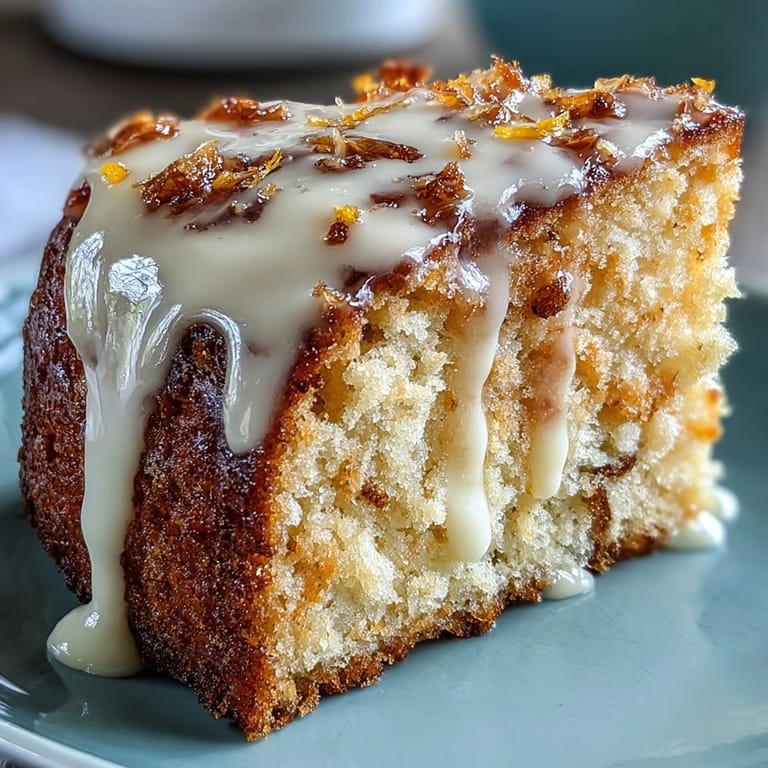
Save There's something about the way this cake fills the house with the scent of citrus and warmth that makes even ordinary days feel a little special. Bake it once, and I think you'll understand why it's stayed in my rotation for years.
Recipe Q&A Section
- → Can I use regular oranges instead of blood oranges?
Yes, regular oranges work well as a substitute. You'll lose the vibrant color but maintain the citrus flavor and moisture.
- → How do I prevent the cake from becoming too dense?
Avoid overmixing the batter once you add the dry ingredients. Fold gently until just combined to keep the texture light and tender.
- → Can I make this ahead of time?
Absolutely. The cake stays moist for up to 2 days at room temperature or up to 5 days refrigerated. Add the icing just before serving for best results.
- → What can I use instead of coconut oil?
Melted unsalted butter or a neutral vegetable oil like canola work perfectly. Use the same measurement for easy substitution.
- → Why is my icing too thick or too runny?
Adjust consistency by adding more powdered sugar to thicken or a few drops of blood orange juice to thin. The icing should drizzle smoothly.
- → Can I bake this in a different pan?
Yes, use an 8-inch round cake pan or bundt pan. Adjust baking time as needed and test with a toothpick for doneness.