 Save
Save My aunt showed up one Sunday afternoon with a bottle of Limoncello she'd brought back from Amalfi, and instead of just sipping it neat, she decided we should bake with it. That first cake came out golden and impossibly tender, filling the kitchen with this bright, almost floral lemon perfume that made everyone stop what they were doing. Now whenever I make this pound cake, I'm transported back to that spontaneous afternoon—the way she laughed when the glaze dripped down the sides, how my cousins circled the cooling rack like it was the most precious thing in the kitchen.
I brought this cake to a neighborhood potluck once, and a woman I'd never spoken to before came back for seconds and told me it reminded her of Italy. We ended up talking for twenty minutes about travel and lemons and why some desserts just feel like more than dessert. That cake became the reason I finally knew my neighbor's name.
Ingredients
- Unsalted butter (1 cup, softened): Room temperature is non-negotiable here—cold butter won't cream properly, and you'll lose that signature tender crumb that makes this cake special.
- Granulated sugar (2 cups): This gives structure and helps create that light, fluffy texture when beaten with the butter; don't skimp on the creaming time.
- Large eggs (4, room temperature): Cold eggs won't incorporate smoothly and can make the batter split—pull them out of the fridge while you prep everything else.
- Limoncello liqueur (1/4 cup): The soul of this cake; it adds depth and a subtle warmth that fresh lemon juice alone can't achieve, though you can substitute more lemon juice if you prefer.
- Whole milk (1/4 cup, room temperature): This keeps the cake moist without making it dense, and the temperature matters because it prevents the batter from seizing when added to the eggs.
- Freshly grated lemon zest (2 tbsp): Use a microplane zester if you have one—you want only the bright yellow part, never the bitter white pith underneath.
- Fresh lemon juice (1/4 cup): Squeeze your lemons by hand if possible; bottled juice tastes flat and one-dimensional by comparison.
- All-purpose flour (2 1/2 cups): Measure by spooning and leveling, not by scooping straight from the bag—this prevents you from accidentally using too much and ending up with a dense cake.
- Baking powder (1 1/2 tsp): This is what gives the cake its rise; old baking powder loses its power, so check the date if you haven't baked in a while.
- Salt (1/2 tsp): A small amount that enhances the lemon flavor and balances the sweetness.
- Powdered sugar (1 cup, sifted): Sifting removes lumps and creates a smooth glaze; it makes the difference between elegant and gritty.
- Limoncello liqueur for glaze (1 tbsp): This adds another layer of flavor to the glaze and ties the whole cake together.
Tired of Takeout? 🥡
Get 10 meals you can make faster than delivery arrives. Seriously.
One email. No spam. Unsubscribe anytime.
Instructions
- Prepare the stage:
- Preheat your oven to 350°F and grease your pan thoroughly—I like using a bundt pan because the cake's lemon flavor really sings when it has more surface area. Dust it with flour so nothing sticks, tapping out the excess.
- Cream the butter and sugar:
- This takes 3 to 4 minutes with an electric mixer, and you'll know it's ready when it looks pale, almost mousse-like, and you can't feel any grittiness of sugar when you rub a tiny bit between your fingers. This step is where the cake gets its tender crumb, so don't rush it.
- Add the eggs one at a time:
- After each egg, wait until it's fully incorporated before adding the next—this might seem fussy, but it prevents the batter from looking curdled and broken. If it does split a bit, a tablespoon of flour mixed in will bring it back together.
- Stir in the zest and liquids:
- The lemon zest, Limoncello, lemon juice, and milk all go in together, and you'll notice the batter turning pale yellow with flecks of bright zest—this is the moment it starts to smell like something truly special. Mix until you don't see streaks anymore.
- Combine the dry ingredients:
- In a separate bowl, whisk the flour, baking powder, and salt together; this distributes the leavening evenly so you don't end up with random pockets of sourness from baking powder.
- Fold everything together gently:
- Add the dry mix to the wet ingredients and stir just until you don't see flour streaks—overmixing develops gluten and makes the cake tough, which is the opposite of what we want. The batter should look thick but pourable.
- Pour and smooth:
- Transfer the batter to your prepared pan and use an offset spatula or the back of a spoon to smooth the top; this helps it bake evenly.
- Bake until golden:
- Bake for 50 to 55 minutes—you'll see the top turn a beautiful golden brown, and when you insert a toothpick into the center, it should come out clean or with just a few moist crumbs clinging to it. If you see wet batter on the toothpick, give it another few minutes.
- Cool with patience:
- Let the cake rest in the pan for 15 minutes—this helps it set and makes turning it out less likely to result in a crumbled disaster. Then turn it onto a wire rack and let it cool completely before glazing, or the glaze will melt right off.
- Make the glaze:
- Whisk the sifted powdered sugar with the lemon juice and Limoncello until it's smooth and pourable, with just a slight sheen. Taste it—it should make you pucker slightly, a balance of sweet and tart.
- Glaze and garnish:
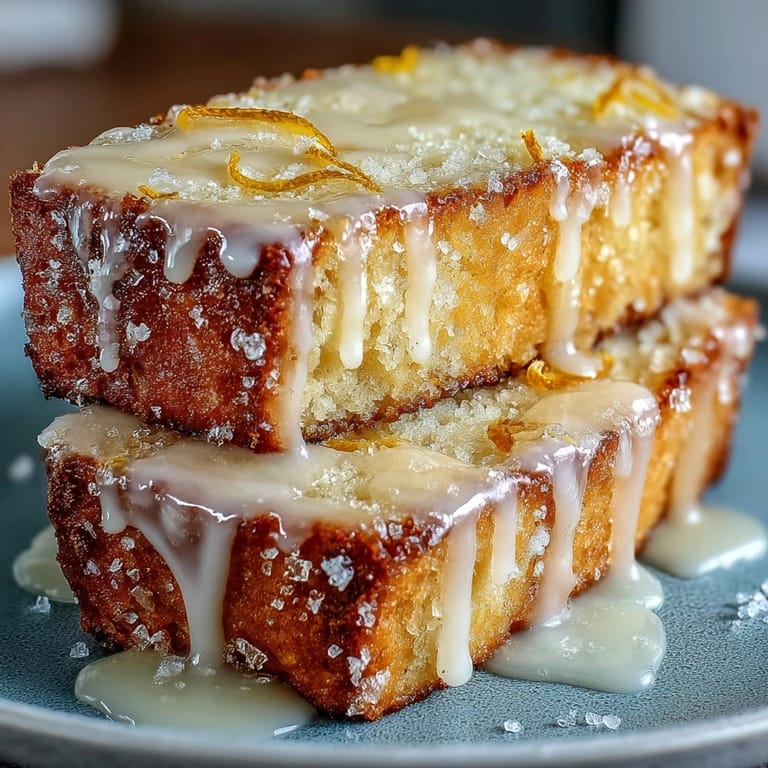
- Drizzle the glaze over the cooled cake in whatever pattern feels right to you; it'll pool and run slightly, creating those gorgeous streaks. Finish with fresh lemon zest if you want, then let it set for a few minutes before you slice.
 Save
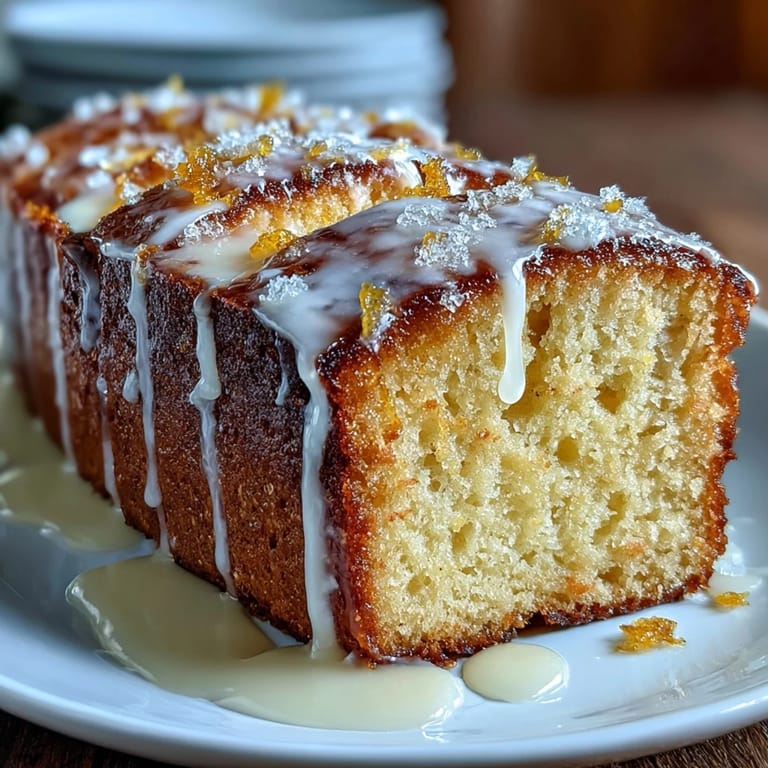
Save There's a moment when you bite into a slice of this cake still slightly warm, and the lemon flavor blooms across your tongue in this almost unexpected way—it tastes both refined and comforting at once. That's when you understand why this cake is worth making again and again.
The Magic of Limoncello in Baking
Limoncello is different from just lemon juice or zest because it brings alcohol and time into play—it's a liqueur that's been infused for weeks, and that infusion carries flavors that fresh lemon can't quite reach. When you bake with it, that complexity doesn't burn off entirely; instead, it adds depth and a subtle warmth that makes people pause and wonder what they're tasting. The alcohol cooks off, but the essence lingers, making the lemon flavor taste almost like a memory rather than just a bright citrus note.
Why This Cake Works for Every Occasion
This isn't a cake that demands a fancy dinner party or a special event—it's equally happy wrapped in parchment and brought to a casual afternoon tea, served at a book club, or sliced for a quiet Tuesday breakfast with strong coffee. The texture is sturdy enough that it travels well, and the flavor is distinctive enough that people remember it, but it never feels pretentious or difficult. It's the kind of dessert that makes people feel cared for without you having spent hours in the kitchen.
Storage and Serving Wisdom
This cake actually improves slightly on day two as the flavors settle and meld together, so don't feel rushed to eat it all the day you bake it. Wrap any leftovers tightly in plastic wrap and store them at room temperature for up to three days, or refrigerate for up to a week—the glaze stays intact and the cake stays tender even as it keeps. You can even freeze this cake for up to a month (glaze and all), thawing it overnight in the fridge before serving.
- Fresh berries or a small dollop of whipped cream become instant companions to a slice of this cake.
- Serve it at room temperature to let all the lemon flavors come through most clearly.
- If the glaze hardens too much before you pour it, gently warm it over low heat for a few seconds to bring back its pourable consistency.
 Save
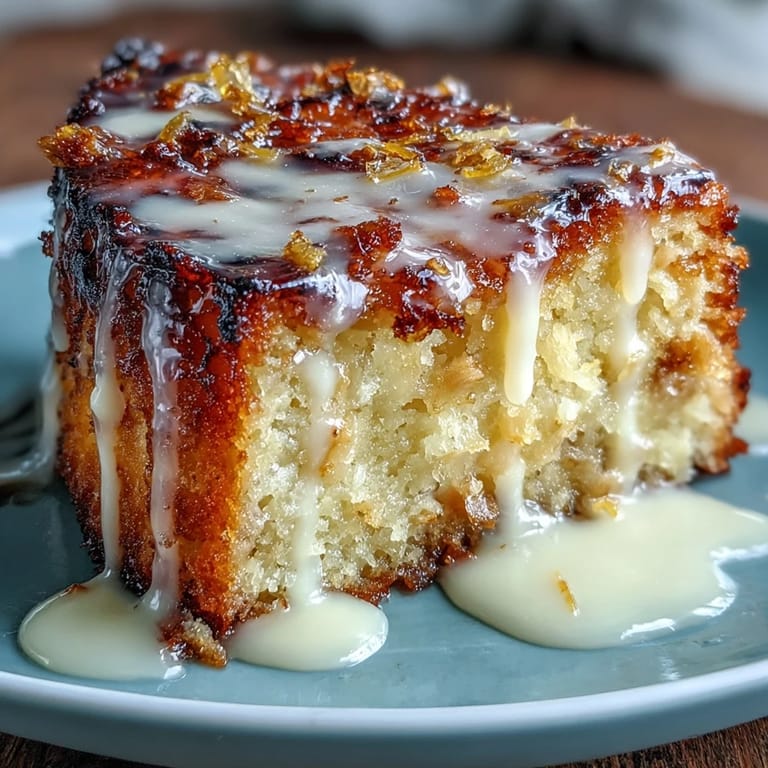
Save This cake tastes like sunshine and joy in a way that feels both simple and indulgent, and once you've made it once, you'll find reasons to make it again. That's the kind of recipe worth keeping close.
Recipe Q&A Section
- → What gives the cake its moist texture?
The combination of butter, eggs, milk, and Limoncello creates a tender and moist crumb in the cake.
- → How does the lemon glaze complement the cake?
The lemon glaze adds a bright, tangy finish that balances the cake's sweet, rich flavors and enhances its citrus notes.
- → Can the Limoncello be substituted?
Yes, replacing Limoncello with additional lemon juice provides a similar citrus flavor while keeping the cake alcohol-free.
- → What pan is best for baking this cake?
A 9x5-inch loaf pan or bundt pan works well to ensure even baking and a nicely shaped loaf.
- → How can I achieve a lighter texture in the cake?
Substituting half of the all-purpose flour with cake flour can make the crumb softer and lighter.
- → What tools are essential for preparation?
An electric mixer, mixing bowls, whisk, and zester are key tools to properly combine ingredients and prepare the batter.